



By using our website, you agree to the use of cookies as described in our Cookie Policy
Behavior Changes in Pets That Mean It's Time to See the Vet in Manassas
Most pet owners think behavior shifts are just quirks. A bad day, a mood swing, something that'll pass. But animals don't fake it — and if you're not paying attention, you're missing the warning signs. Pets can't tell you when something's wrong. They show you. And by the time the symptoms are obvious, the problem's usually been brewing for a while.
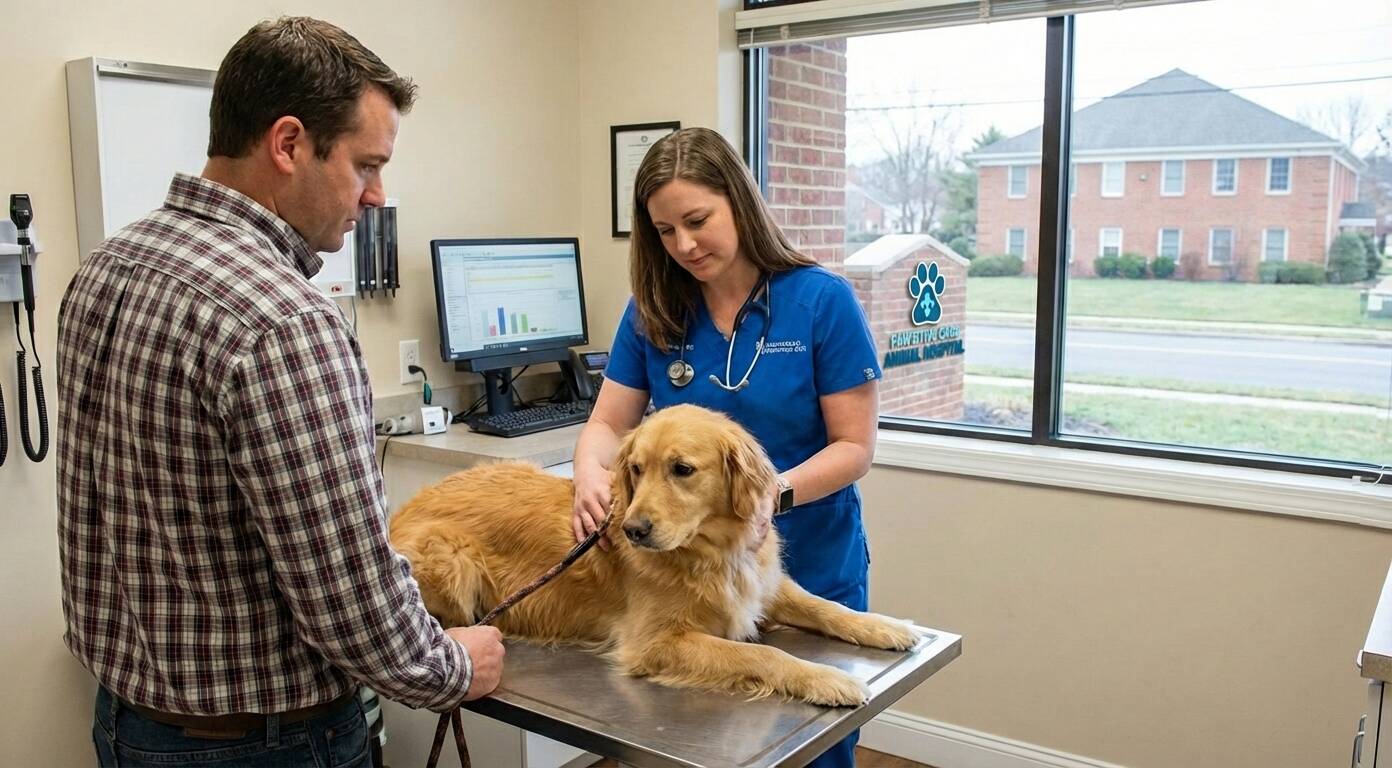
So here's what matters. If your dog or cat is acting off, that's not background noise. That's data. Every change in appetite, energy, or temperament should register as a potential red flag. And every delay in getting them checked could mean the difference between a quick fix and a serious diagnosis.
When Normal Stops Being Normal
Your pet has a baseline. You know what their energy looks like. You know their eating habits, their sleep patterns, their social rhythm. When that baseline shifts without explanation, the body's trying to communicate something the brain can't articulate.
Animals are wired to hide weakness. It's survival instinct. So when they finally let you see discomfort, it's often because they can't mask it anymore. That's why subtle changes matter more than dramatic ones. The earlier you catch it, the better the outcome.
Appetite Shifts That Aren't Just Picky Eating
A pet that suddenly refuses food or water isn't being stubborn. Loss of appetite can signal dental pain, gastrointestinal distress, kidney trouble, or metabolic dysfunction. On the flip side, excessive thirst paired with increased urination often points to diabetes or renal issues.
If your pet skips more than one meal or starts draining the water bowl twice as fast as usual, don't wait it out. These aren't phases. They're symptoms.
Energy Levels That Drop Without Explanation
Lethargy isn't laziness. A dog that used to greet you at the door and now barely lifts their head is telling you something's wrong. Cats that stop jumping onto counters or hide more than usual are doing the same.
Here's what low energy can mean:
- Infection or fever draining their system
- Pain from arthritis, injury, or internal issues
- Anemia or blood disorders
- Organ dysfunction affecting stamina
- Hormonal imbalances like hypothyroidism
Aggression or Fear That Comes Out of Nowhere
A pet that snaps, growls, or hides when they've never done that before isn't being difficult. Pain changes behavior. So do neurological problems, vision loss, and hormonal swings. If your normally friendly animal suddenly acts defensive or skittish, something's triggering that response.
Don't write it off as attitude. Get it checked. Behavioral changes rooted in physical discomfort don't resolve on their own.
Bathroom Habits That Go Sideways
Accidents in the house, straining to urinate, blood in stool, or sudden diarrhea aren't training regressions. They're medical events. Urinary tract infections, bladder stones, digestive inflammation, and parasites all show up this way.
Watch for these red flags:
- Frequent trips outside with little output
- Crying or whimpering during elimination
- Unusual color or consistency in waste
- Accidents from a previously housetrained pet
- Excessive licking of the genital area
Grooming Behavior That Crosses Into Obsession
Over-grooming, constant scratching, or biting at the same spot isn't vanity. It's discomfort. Allergies, skin infections, fleas, and anxiety all manifest as compulsive grooming. Left unchecked, it leads to hair loss, open sores, and secondary infections.
If your pet's licking themselves raw or scratching until they bleed, that's not a habit. That's a symptom that needs diagnosis and treatment.
Vocalizations That Spike Without Cause
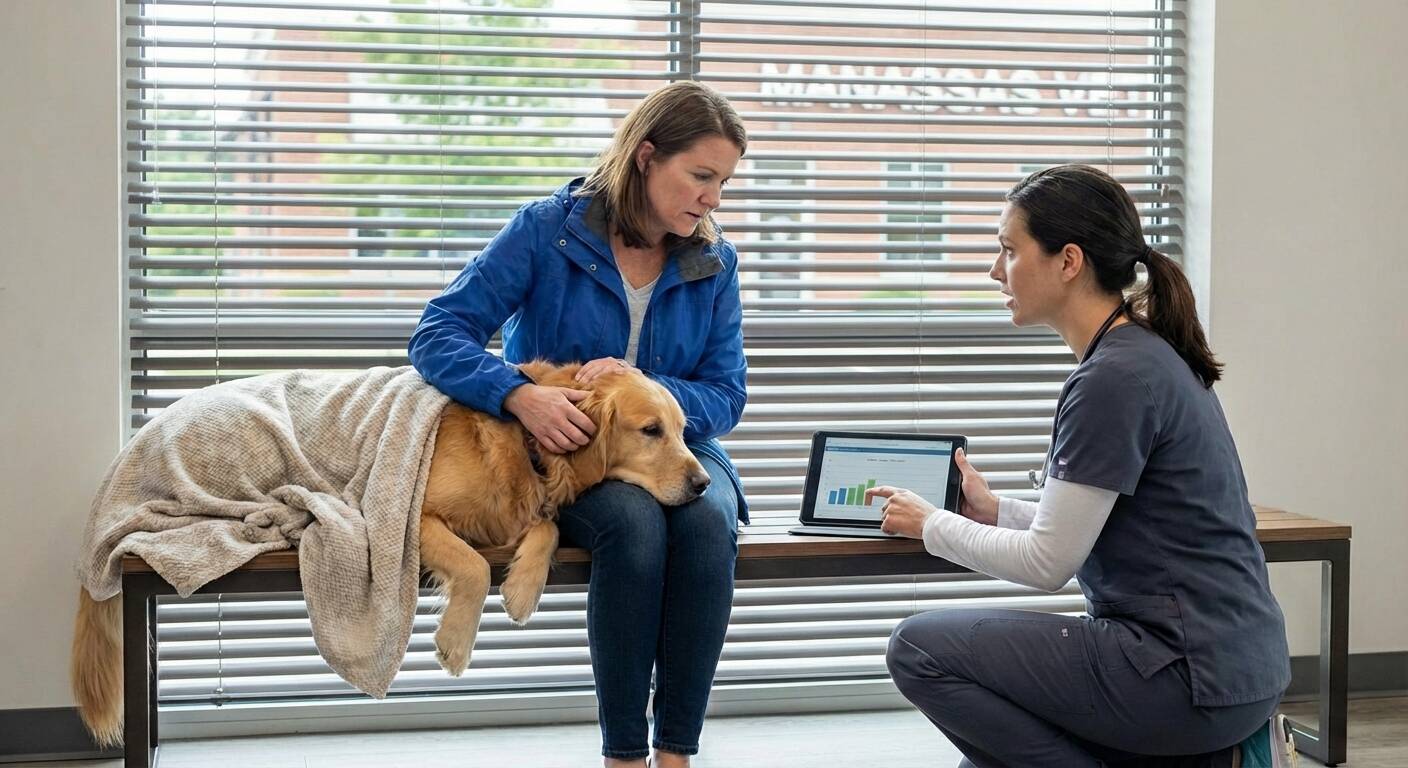
Increased barking, meowing, whining, or howling can mean pain, cognitive decline, or sensory loss. Senior pets with dementia often vocalize more at night. Pets in pain may cry out when moving or being touched.
If your quiet pet suddenly won't stop making noise, or your chatty pet goes silent, both extremes warrant attention. Communication changes are behavioral data points.
Disorientation That Looks Like Confusion
Pets that get lost in familiar spaces, stare at walls, or fail to recognize family members may be experiencing cognitive dysfunction or neurological issues. This is especially common in older animals, but it's not a normal part of aging.
Here's what disorientation can indicate:
- Canine or feline cognitive dysfunction
- Brain tumors or lesions
- Vestibular disease affecting balance
- Severe metabolic imbalances
- Toxin exposure or poisoning
Weight Changes That Happen Fast
Sudden weight loss without a diet change can signal cancer, hyperthyroidism, or digestive malabsorption. Rapid weight gain may point to fluid retention, hormonal disorders, or organ failure. Either direction is a problem.
If your pet's body condition shifts noticeably over a few weeks, don't assume it's just age or activity level. Get bloodwork and imaging done.
Breathing Issues That Can't Be Ignored
Labored breathing, persistent coughing, wheezing, or open-mouth breathing in cats are all emergencies. Respiratory distress can stem from heart disease, lung infections, asthma, or airway obstructions.
Don't wait to see if it improves. Breathing problems escalate quickly, and delayed treatment can be fatal.
Social Behavior That Flips
A pet that suddenly clings to you or, conversely, avoids all interaction is signaling distress. Clinginess can mean anxiety or pain. Withdrawal often indicates illness or depression.
Key social shifts to monitor:
- Hiding more than usual
- Refusing to engage in play
- Following you obsessively
- Avoiding touch or petting
- Aggression toward other pets in the home
What Your Manassas Vet Will Do
When you bring your pet in for behavior changes, your vet will start with a full physical exam and history. They'll ask about onset, frequency, and any other symptoms you've noticed. From there, diagnostics may include bloodwork, urinalysis, imaging, or specialized tests depending on what they find.
Early intervention matters. Catching a problem in the early stages means more treatment options, better outcomes, and often lower costs. Waiting until symptoms are severe limits what can be done.
How We Track What's Happening
Documentation helps. Keep notes on when behavior changes started, how often they occur, and what else you've observed. Bring that information to your appointment. The more detail you provide, the faster your vet can narrow down the cause.
Here's what to track:
- Date and time of first noticeable change
- Frequency and duration of symptoms
- Any accompanying signs like vomiting or limping
- Changes in diet, environment, or routine
- Medications or supplements your pet is taking
Getting Ahead of the Problem
Behavior changes aren't something to monitor from a distance. They're your pet's way of asking for help. Ignoring them doesn't make them go away — it just gives the underlying issue more time to worsen. We owe it to our animals to act fast, ask questions, and get professional eyes on the problem before it spirals.
At your Manassas vet clinic, the team is trained to connect behavioral dots to medical causes. They've seen thousands of cases, and they know what subtle signs mean. Trust that expertise. Your pet's health depends on it.
Let’s Keep Your Pet Happy and Healthy
We all want our pets to feel their best, and catching behavior changes early is the key to a longer, happier life together. If you’ve noticed anything unusual, let’s talk it through and make sure your pet gets the care they deserve. Call us at 571-208-1011 or contact us today to schedule a visit and give your pet the attention they need.
‹ Back
Recent Posts
-
Can Stress Make Your Cat in Manassas Stop Eating?
September 23, 2026
-
What it Means if Your Dog is Scratching More Than Normal
September 9, 2026
-
Signs Your Pet in Manassas Could Have an Ear Infection
August 26, 2026
-
Does Your Pet Need a Microchip Update in Manassas?
August 12, 2026
-
Can Indoor Cats Skip Annual Vet Visits in Manassas?
July 29, 2026