



By using our website, you agree to the use of cookies as described in our Cookie Policy
How to Spot the Early Signs of Illness in Your Pet
Your pet's eating habits don't change randomly. A dog that ignores dinner, a cat that turns away from treats, or a pet that suddenly drains the water bowl twice as fast—these aren't quirks. They're warnings. Appetite shifts happen early, and they matter.
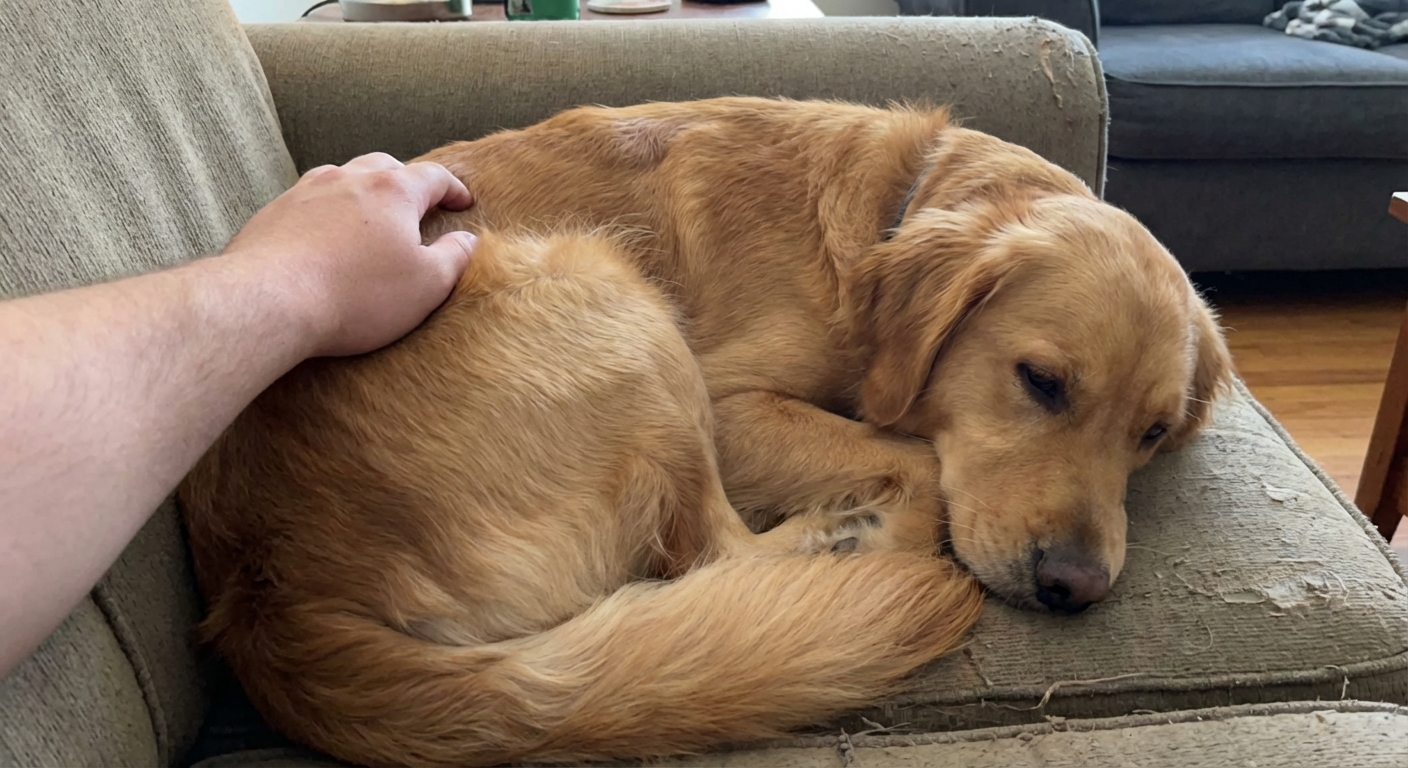
- Food bowls left full or barely touched
- Nonstop hunger that doesn't match their normal pattern
- Turning down snacks they used to beg for
- Water intake that spikes or drops dramatically
- Throwing up after meals or drinks
Monitoring what goes in—and what doesn't—gives you a head start. Writing down when changes start and how often they occur helps during routine checkups or when early disease detection becomes critical. Appetite doesn't shift without cause. When it does, act.
Behavior Tells the Real Story
Your pet can't fake what's wrong. A dog that retreats to corners, a cat that ignores your arrival, or a gentle animal that suddenly bites—these aren't mood swings. They're alarm bells. Withdrawal, restlessness, or out-of-nowhere hostility show up long before any visible illness does. The smallest deviation from normal routine or character can be the first real evidence of suffering, stress, or disease.
- Sleeping far more than usual or acting completely drained
- Pacing nonstop, unable to settle, or showing agitation
- Biting, hissing, or growling when approached
- Avoiding the family or deserting usual hangout spots
- Nonstop crying, barking, or yowling
Behavioral shifts don't just happen. They're how your pet asks for help. When their actions change, talk to a veterinary professional. Quick response brings answers and improves outcomes. Nobody understands your pet's normal like you do. Act on what you see.
How They Move Tells the Story
Steps become calculated. Jumps get skipped. A pet that limps after running, pauses before leaping, or walks stiffly after lying down isn't just aging. These are red flags. Pain in joints, injuries, or internal problems often appear in movement first. Young pets aren't immune. Age doesn't determine vulnerability.
- Favoring one side or limping consistently
- Avoiding stairs or hesitating at furniture
- Moving slowly after rest or first thing in the morning
- Refusing walks or playtime
- Paws dragging or losing traction on floors
Mobility problems don't wait for senior years. Arthritis, trauma, or disease can appear anytime. When movement patterns shift, a veterinary checkup provides answers. Acting early preserves mobility and comfort. Delaying only compounds the problem. At Pawsitive Care Animal Hospital, we evaluate mobility issues and create targeted plans to keep your pet moving well.
Breathing Problems Demand Urgency
Normal breathing is quiet and effortless. Heavy panting when it's cool outside, wheezing sounds, or a cat breathing with its mouth open—none of these are acceptable. Rapid, shallow, or labored breaths indicate pain, illness, or crisis. Gums turning blue or gray, or a pet gasping for air, require emergency care now.
- Panting while resting or in cool temperatures
- Coughing, wheezing, or unusual respiratory sounds
- Cats breathing through their mouths
- Discolored gums—blue, gray, or white
- Struggling to breathe or breathing too fast
Respiratory changes are never wait-and-see situations. When breathing looks wrong, contact an animal hospital in Manassas immediately. This protects your pet's life. Breathing issues always warrant immediate response. Our urgent care services exist for these critical moments when your pet can't wait.
Unexplained Weight Loss Means Trouble
Weight doesn't vanish without reason. On a small animal, a few pounds matter enormously. Ribs that suddenly protrude, visible spine, or a collar that slides around—these signal problems. Dental disease, thyroid dysfunction, diabetes, or cancer often hide behind weight loss. Eating the same amount but still shrinking is a major warning sign.
- Bones becoming visible or prominent
- Skin hanging loose or coat looking different
- Collars or harnesses fitting differently
- Muscle deterioration, particularly in hind legs
- Consistent eating but declining weight
Regular weight tracking at home or during preventive care visits identifies problems before they escalate. When pounds drop, don't delay. Connect with a veterinary team to diagnose the cause and start treatment. Minor changes compound quickly. Early detection changes outcomes. Our laboratory services at Pawsitive Care Animal Hospital pinpoint underlying causes and direct appropriate treatment.
When to Make the Call
Waiting never improves the situation. Changes in eating, behavior, movement, breathing, or weight—any one of these warrants professional evaluation. Early disease detection preserves health and quality of life. The team at our animal hospital in Manassas runs diagnostics, provides answers, and maps out solutions. Even uncertainty justifies a visit. Quick action brings clarity and keeps your pet thriving.
Your Manassas Veterinary Partner
Catching illness early protects pets and gives families confidence. When questions arise, we provide preventive care, early detection, and actionable guidance for every life stage. Book an appointment or get answers by calling 571-208-1011 or contact us today. Your pet's health is the priority, and our Pawsitive Care Animal Hospital team supports you at every turn.
‹ Back
Recent Posts
-
Can Stress Make Your Cat in Manassas Stop Eating?
September 23, 2026
-
What it Means if Your Dog is Scratching More Than Normal
September 9, 2026
-
Signs Your Pet in Manassas Could Have an Ear Infection
August 26, 2026
-
Does Your Pet Need a Microchip Update in Manassas?
August 12, 2026
-
Can Indoor Cats Skip Annual Vet Visits in Manassas?
July 29, 2026