







By using our website, you agree to the use of cookies as described in our Cookie Policy
What it Means if Your Dog is Scratching More Than Normal
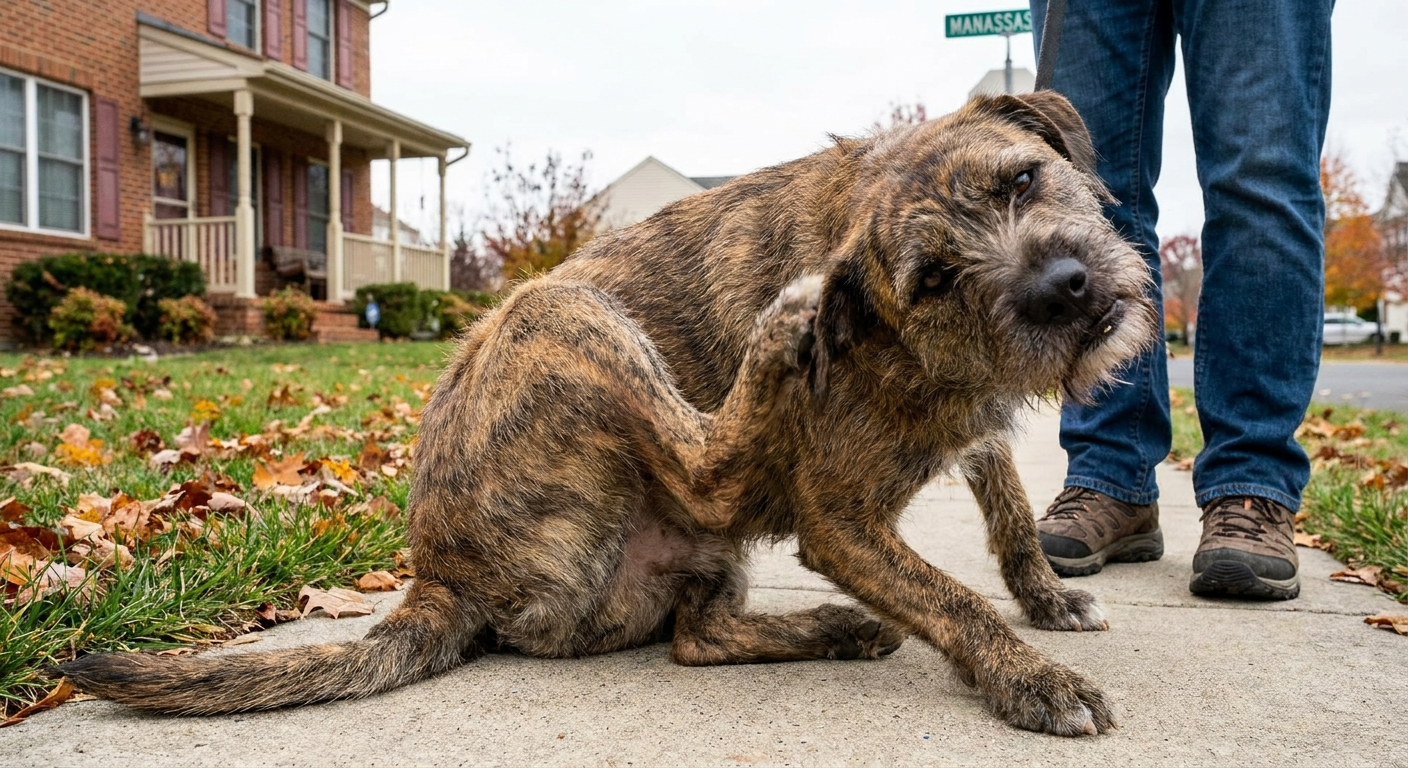
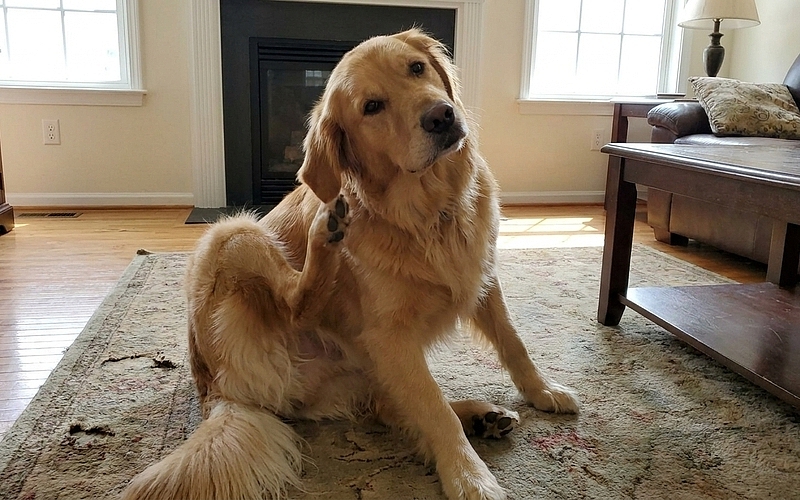
Your dog scratching now and then doesn't raise alarms. But when the paws start digging into the same spot over and over — when the back leg goes into overdrive every few minutes — that's not quirky behavior. That's your dog telling you something's wrong. The skin is reacting, the nerves are firing, and the itch won't quit. Most pet owners brush it off as seasonal or just part of being a dog. But persistent scratching usually has a cause. And the longer you wait to figure it out, the worse it gets.

We're not talking about a quick scratch after a walk. We're talking about constant pawing, biting, licking, or rubbing against furniture. That kind of behavior leaves marks — red patches, thinning fur, raw skin. And if the skin breaks, infection follows fast. So if your dog's scratching more than usual, don't assume it'll pass. Dig into what's driving it. Because the root cause matters more than the symptom.
Fleas Are Still the Usual Suspect
Most excessive scratching traces back to fleas. Even if you don't see them crawling around, that doesn't mean they're not there. Fleas are fast, they hide deep in the coat, and they leave behind bites that can drive a dog insane. One flea bite might not seem like much — but for dogs with flea allergy dermatitis, it's enough to trigger a full-body itch fest. The allergic reaction isn't to the flea itself. It's to the saliva left behind when the flea bites. And that saliva can cause itching for days.
Other parasites pile on too. Mites burrow under the skin and cause mange, which leads to hair loss and crusty patches. Lice stick to the fur and irritate the skin. Ticks latch on and leave inflammation behind. All of these show up differently, but they share one thing in common — they make your dog miserable. If you're seeing scratching plus any unusual bumps, scabs, or bald spots, heartworm and flea prevention should be top of your list.
Allergies Show Up on the Skin
Dogs don't sneeze their way through allergies like we do. They itch. Environmental allergens — pollen, dust, mold — trigger reactions that show up as red, inflamed skin. Food allergies do the same thing. Chicken, beef, dairy, grains — any of these can set off a response. The tricky part is that allergies don't always appear right away. Your dog might eat the same food for months before the immune system decides it's a problem.
Seasonal scratching often points to environmental triggers. If your dog only itches in spring or fall, pollen's probably the culprit. Year-round scratching? That's more likely food or something in the home environment. Either way, allergies don't resolve on their own. They escalate. And the more your dog scratches, the more damaged the skin becomes — which opens the door to secondary infections.
Dry Skin Doesn't Get Enough Attention
Winter air, low humidity, over-bathing — all of these strip moisture from your dog's skin. And once the skin dries out, it cracks. Those cracks itch. Your dog scratches. The skin gets worse. It's a cycle that feeds itself, and most owners don't connect the dots until the flaking starts. Dry skin isn't dramatic. It doesn't bleed or ooze. But it's uncomfortable, and it sets the stage for bigger problems if you ignore it.
Adding omega-3 fatty acids to your dog's diet can help rebuild the skin barrier. So can switching to a moisturizing shampoo designed for sensitive skin. But you've got to be careful not to over-bathe. Too many baths — especially with harsh shampoos — make dryness worse. Once a month is plenty for most dogs unless they're rolling in something foul.
Infections Happen When the Skin Breaks Down
Bacterial and fungal infections don't just appear out of nowhere. They move in after the skin's been compromised. Scratching creates openings. Those openings get colonized by bacteria or yeast. Suddenly your dog's dealing with more than an itch — there's redness, swelling, odor, and sometimes oozing. Hot spots are a classic example. They start as a small irritation and explode into a raw, infected patch within hours.
Yeast infections love warm, moist areas — ears, paws, skin folds. If your dog's scratching their ears or chewing their paws obsessively, yeast might be the driver. These infections don't clear up with a rinse and a prayer. They need antifungal treatment, sometimes oral medication, and they'll come back if the underlying cause isn't addressed.
What You Should Check First
Before you panic or book a vet visit, do a quick inspection. Look for obvious clues that point you in the right direction. Most causes of excessive scratching leave some kind of trail — you just have to know where to look.
- Run a flea comb through the coat, especially near the tail and belly
- Check for red bumps, scabs, or bald patches
- Smell the skin — infections often have a distinct odor
- Look at the paws and ears for signs of irritation or discharge
- Note whether the scratching happens all the time or only in certain environments
Home Remedies Only Go So Far
If the scratching is mild and you don't see open wounds or infection, you can try a few things at home. A soothing oatmeal bath can calm inflamed skin. Wiping your dog's paws after walks reduces allergen exposure. Adding a fish oil supplement supports skin health from the inside out. Switching to hypoallergenic bedding might cut down on contact irritants.
But here's the line — if the scratching doesn't improve within a few days, or if it's getting worse, home care isn't going to cut it. You're not equipped to diagnose mange, treat a yeast infection, or manage a severe allergic reaction. That's vet territory. And the longer you delay, the harder it becomes to reverse the damage.
What the Vet Will Look For
Your vet isn't just going to glance at your dog and guess. They'll run tests. Skin scrapings check for mites. Cytology looks for yeast or bacteria. Blood work rules out hormonal imbalances like hypothyroidism. If allergies are suspected, elimination diets or allergy testing might be recommended. The goal is to pinpoint the exact cause so treatment actually works instead of just masking symptoms.
Treatment varies depending on what's found. Flea infestations get handled with topical or oral preventatives. Bacterial infections need antibiotics. Yeast infections require antifungals. Allergies might call for immunotherapy, prescription diets, or medication to control the immune response. And if it's a behavioral issue — like anxiety-driven scratching — that's a whole different approach involving behavioral counseling.
Red Flags You Shouldn't Ignore
Some scratching situations demand immediate attention. If you're seeing any of these signs, don't wait to see if it gets better on its own.
- Bleeding or oozing from the skin
- Large bald patches or rapid hair loss
- Swelling, heat, or pain when you touch the area
- Your dog won't stop scratching, even to eat or sleep
- Foul odor coming from the skin or ears
Prevention Beats Reaction Every Time
Once you've dealt with the scratching, the next step is making sure it doesn't come back. That means staying on top of flea prevention year-round. It means feeding a high-quality diet that supports skin health. It means keeping your dog's environment clean and free of irritants. And it means paying attention when small issues pop up, before they turn into big ones.
Regular grooming helps too. Brushing removes dead skin and distributes natural oils. Bathing — when done right — keeps allergens and bacteria in check. Trimming the fur around paws and ears reduces moisture buildup. These aren't glamorous tasks, but they're the ones that keep your dog comfortable and save you from repeated vet visits down the line.
Why Some Dogs Scratch More Than Others
Genetics play a role. Certain breeds are more prone to skin issues — bulldogs, retrievers, terriers, and any dog with skin folds or long ears. Age matters too. Older dogs develop thinner skin and weaker immune systems. Puppies have immature skin barriers that make them more vulnerable to irritation. And stressed or anxious dogs sometimes scratch as a coping mechanism, even when there's no physical cause.
But breed and age aren't excuses to accept constant scratching as normal. Even dogs predisposed to skin problems can live itch-free with the right care. It just takes more vigilance and a willingness to address issues early.
The Difference Between Scratching and Obsession
There's scratching, and then there's compulsive scratching. The latter isn't always about the skin. Sometimes it's behavioral. Dogs that are bored, anxious, or under-stimulated develop repetitive behaviors — scratching, licking, chewing. The skin might look fine at first, but the constant trauma creates sores and infections. This type of scratching doesn't respond to flea treatment or allergy meds. It needs environmental enrichment, mental stimulation, and sometimes behavioral therapy.
If your dog's scratching one specific spot to the point of self-mutilation, that's not normal itch behavior. That's obsessive. And it's a sign that something deeper is going on — whether it's anxiety, OCD, or pain in an underlying joint or nerve.
What Happens When You Wait Too Long
Ignoring persistent scratching doesn't just leave your dog uncomfortable. It creates cascading problems. Broken skin invites infection. Chronic inflammation thickens the skin and causes pigment changes. Hair follicles get damaged, and fur stops growing back. Ears that get scratched repeatedly develop hematomas — blood-filled pockets that require surgical drainage. Paws that get chewed raw become too painful to walk on.
And the longer your dog scratches, the more ingrained the behavior becomes. Even after the original cause is treated, some dogs keep scratching out of habit. Breaking that cycle takes time and intervention. So the faster you act, the easier the fix.
Different Causes Call for Different Fixes
There's no one-size-fits-all solution for scratching. What works for flea allergies won't touch a yeast infection. What clears up dry skin won't help with food sensitivities. That's why guessing doesn't work. You need a diagnosis. And once you have one, you need to follow through with the full treatment plan — not just until the scratching stops, but until the vet says you're done.
- Flea allergies require year-round prevention and sometimes steroids to control the immune response
- Environmental allergies might need antihistamines, immunotherapy, or regular baths to remove allergens
- Food allergies call for strict elimination diets and hypoallergenic protein sources
- Infections need targeted antibiotics or antifungals, plus follow-up testing to confirm they're gone
- Dry skin responds to dietary fats, moisturizers, and changes in bathing frequency
The Cost of Doing Nothing
Treating excessive scratching early is cheaper than dealing with the fallout later. A flea preventative costs less than treating a secondary skin infection. An allergy workup costs less than managing chronic hot spots. A vet visit today costs less than an emergency visit next month when the scratching has spiraled into something worse. We're not saying throw money at every little itch. We're saying don't let a fixable problem turn into a expensive, painful mess because you waited.
Your dog can't tell you what's wrong. But the scratching does. Pay attention to it. Get ahead of it. And give your dog the relief they're begging for — because constant itching isn't just annoying. It's misery. And no dog should have to live with that when the fix is within reach. If your dog's scratching has become excessive, spotting early signs of illness is essential. Our team provides wellness and vaccination services along with comprehensive laboratory testing to diagnose the underlying cause and help your pet find lasting relief.
Let’s Help Your Dog Find Relief
We know how tough it is to watch your dog struggle with nonstop scratching. You don’t have to figure it out alone—let’s work together to get to the bottom of it and bring your dog some real comfort. Give us a call at 571-208-1011 or contact us today so we can help your dog get back to feeling their best.
‹ Back
Recent Posts
-
Is Your Pet in Manassas Gaining Weight Too Quickly?
October 21, 2026
-

When Should You Bring Your New Kitten to the Vet in Manassas?
October 7, 2026
-
Can Stress Make Your Cat in Manassas Stop Eating?
September 23, 2026
-
What it Means if Your Dog is Scratching More Than Normal
September 9, 2026
-
Signs Your Pet in Manassas Could Have an Ear Infection
August 26, 2026