







By using our website, you agree to the use of cookies as described in our Cookie Policy
Signs Your Pet in Manassas Could Have an Ear Infection
Most pet owners think ear infections are obvious. They're not. By the time your dog is whimpering or your cat is swatting at their head nonstop, you're already behind. Infections don't announce themselves with flashing lights — they creep in quietly, and if you're not watching for the right signals, you'll miss the window where treatment is still straightforward.
So here's what matters. If your pet's acting off, if they're tilting their head weird, if there's a smell you can't place — that's your cue. Don't wait until they're in pain. Every symptom is a breadcrumb. Every delay makes recovery harder. And every decision to brush it off could turn a simple infection into something that costs real money and real discomfort.
The Scratching That Won't Stop
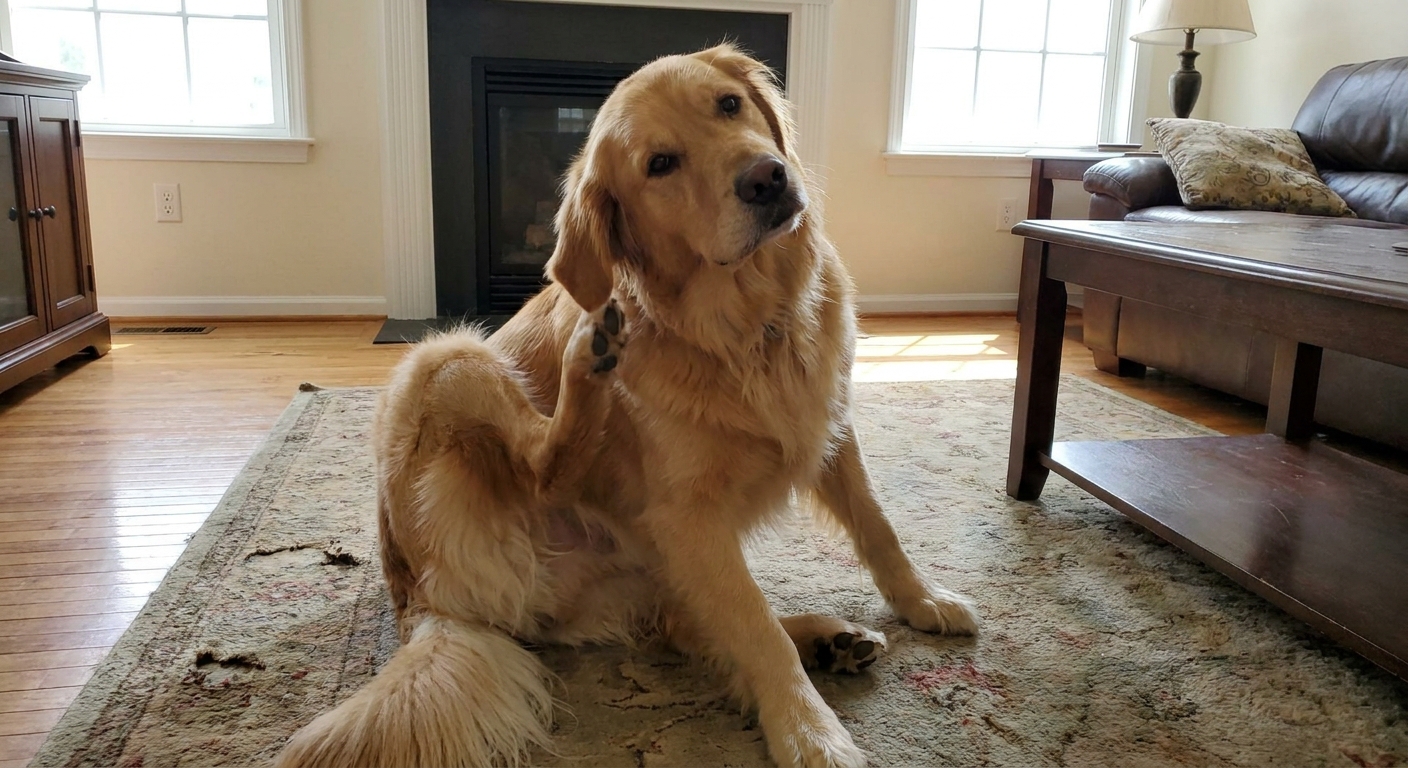
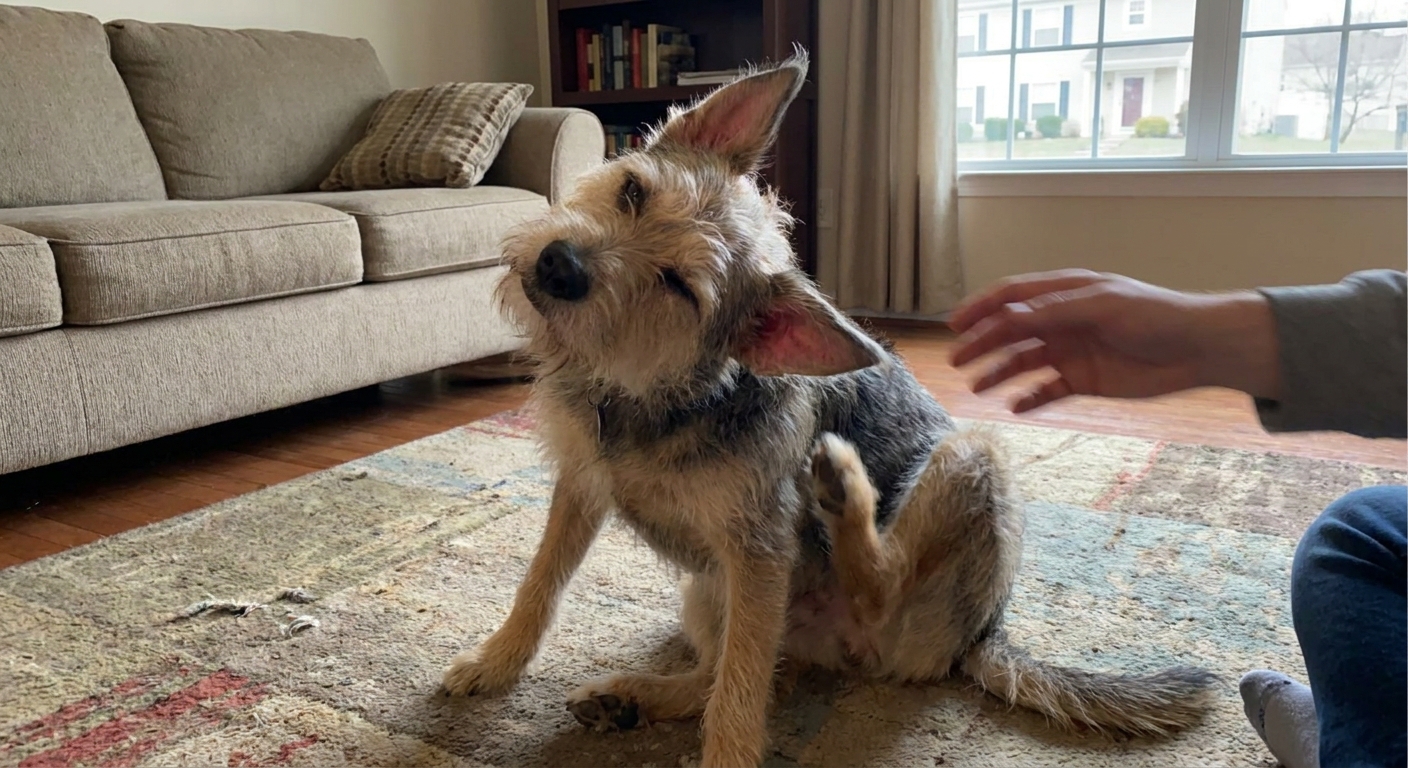
Pets scratch. It's normal. But when your dog or cat is clawing at their ear like they're trying to dig something out, that's different. That's not an itch — that's irritation deep in the canal, and it's not going away on its own. We've seen animals scratch so hard they draw blood or tear the skin around the ear flap.
Pay attention to frequency. If it's constant, if they're doing it in their sleep, if they're favoring one side — you're looking at inflammation or infection. The ear canal is warm, moist, and dark. Perfect breeding ground for bacteria and yeast. And once it takes hold, scratching just makes it worse.
- Persistent pawing at one or both ears throughout the day
- Rubbing their head against furniture, walls, or the floor
- Scratching so aggressively they yelp or flinch
- Raw or bleeding skin around the ear from excessive contact
- Swelling or heat radiating from the ear area
Head Shaking You Can't Ignore
A quick shake after a nap? Fine. But if your pet is whipping their head around like they're trying to launch something out of their ear, that's a problem. Head shaking is one of the earliest red flags, and it's also one of the easiest to miss if you're not tuned in. Dogs especially will shake their heads hard enough to make their ears slap against their skull.
Cats do it too, though they're usually more subtle. Either way, it's a sign that something inside the ear is bothering them — fluid, debris, swelling, or all three. Left unchecked, chronic head shaking can actually cause hematomas, which are blood-filled pockets in the ear flap that require surgical drainage.
- Violent or repeated head shaking, especially after meals or naps
- Shaking that seems to get worse over days or weeks
- Ears that slap loudly or seem painful when they shake
- Balance issues or stumbling after vigorous shaking
- Visible swelling or puffiness in the ear flap
The Smell Nobody Wants to Talk About
If there's an odor coming from your pet's ear, it's not "just a dog smell" or something you can ignore. Healthy ears don't stink. A sour, yeasty, or downright rotten smell means bacteria or yeast are multiplying fast. And by the time you can smell it from across the room, the infection is already established.
We're talking about the kind of smell that hits you when you lean in for a pet. If you catch yourself pulling back or wrinkling your nose, trust that instinct. The longer you wait, the deeper the infection goes — and the harder it is to clear up. Some pet owners in Manassas assume it's just humidity or pollen season. It's not.
- Sour or yeasty odor that lingers even after bathing
- Smell that gets stronger when you touch or manipulate the ear
- Foul, almost cheesy scent that indicates bacterial overgrowth
- Odor concentrated in one ear, suggesting localized infection
- Smell that develops suddenly rather than over time
Discharge You Shouldn't See
Clear earwax is normal. Brown gunk? Yellow ooze? Crusty buildup? Not normal. Any discharge that's discolored, thick, or coming out in noticeable amounts is a flashing neon sign. It means the body is fighting something off, and the battlefield is your pet's ear canal. The discharge can range from sticky and dark to thin and runny, depending on what's causing the infection.
If you're wiping your pet's ear and the cloth comes back stained or smelly, don't just clean it and move on. That's treating the symptom, not the cause. The infection is still there, and it's going to keep producing discharge until someone addresses what's actually happening inside the ear.
- Yellow or green discharge indicating bacterial infection
- Dark brown or black buildup, often a sign of yeast or mites
- Crusty or flaky debris around the ear opening
- Moist or sticky residue that reappears quickly after cleaning
- Bloody or pus-like discharge in severe or advanced cases
Behavior Shifts That Signal Pain
Pets don't complain in words, but they show pain in a dozen other ways. If your normally playful dog is suddenly lethargic, or your social cat is hiding under the bed, don't assume it's just a mood. Ear infections hurt. They throw off balance, they make noise uncomfortable, and they turn simple movements — like lying down or rolling over — into something that stings.
Watch for avoidance. If your pet pulls away when you reach for their head, if they tilt away from your hand, if they growl or snap when you touch their ear — those are pain signals. And pain means the infection has progressed past the mild stage. You're no longer in "wait and see" territory. You're in "get to the vet now" territory.
- Reluctance to let you touch or examine their ears
- Whimpering, whining, or vocalizing when the ear is touched
- Head tilting to one side that doesn't go away
- Loss of appetite or disinterest in food due to discomfort
- Sleeping more than usual or withdrawing from family interaction
When Home Remedies Make Things Worse
We get it. You want to help. You see your pet suffering and you think maybe some ear cleaner from the pet store will do the trick. Maybe you'll flush it out with water. Maybe you'll try that remedy your neighbor swears by. Stop. Ear infections aren't something you DIY your way out of, and using the wrong product can make the infection worse or push debris deeper into the canal.
If the eardrum is ruptured — which can happen with chronic infections — certain cleaners or medications can cause permanent damage. You won't know if the eardrum is intact unless a vet checks with an otoscope. So before you pour anything into your pet's ear, get a professional opinion. It's not about being overly cautious. It's about not making a fixable problem into a surgical one.
What Happens If You Wait Too Long
Ear infections don't just disappear. They escalate. What starts as mild irritation can turn into a chronic condition that requires weeks of treatment, oral antibiotics, and sometimes even surgical services. We've seen pets lose hearing. We've seen infections spread to the middle and inner ear, causing balance issues that never fully resolve. And we've seen owners spend thousands of dollars trying to fix something that could have been handled with a simple vet visit and a bottle of medicated drops.
The earlier you catch it, the easier it is to treat. The longer you wait, the more invasive and expensive the solution becomes. If you're seeing multiple signs — head shaking, odor, discharge, behavior changes — don't gamble on it clearing up. Get your pet checked. The appointment costs less than the emergency visit you'll need if things go sideways.
What We Tell Pet Owners in Manassas
Ear infections are one of the most common reasons pets come through our doors, and they're also one of the most preventable complications when caught early. Your pet can't tell you their ear hurts. They rely on you to notice the early signs of illness and act on them. If something feels off, it probably is. Trust your gut. Trust the signals your pet is giving you. And trust that waiting rarely makes anything better.
At the end of the day, your pet's comfort is on you. The sooner you move, the faster they recover — and the sooner both of you can get back to normal. If you're seeing signs, don't sit on it. Pick up the phone, schedule the visit, and let a professional figure out what's going on before it turns into something bigger. Many pet owners also find value in our behavioral counseling to help manage stress-related symptoms, and we offer same-day urgent care for pets experiencing severe discomfort. Our wellness and vaccination programs can also help prevent conditions that make ear infections more likely, and our on-site laboratory allows for rapid diagnosis when infections do occur.
Let’s Keep Your Pet Comfortable
We know how much your pet means to you, and we’re here to help you catch ear infections before they become a bigger problem. If you’re noticing any of these signs, let’s work together to get your pet feeling better fast. Call us at 571-208-1011 or contact us today to schedule an appointment and give your pet the relief they deserve.
‹ Back
Recent Posts
-
When Should You Bring Your New Kitten to the Vet in Manassas?
October 7, 2026
-
Can Stress Make Your Cat in Manassas Stop Eating?
September 23, 2026
-
What it Means if Your Dog is Scratching More Than Normal
September 9, 2026
-
Signs Your Pet in Manassas Could Have an Ear Infection
August 26, 2026
-
Does Your Pet Need a Microchip Update in Manassas?
August 12, 2026