







By using our website, you agree to the use of cookies as described in our Cookie Policy
Can Stress Make Your Cat in Manassas Stop Eating?
Your cat's food bowl hasn't moved in two days. The kibble sits untouched, and suddenly you're wondering if something's wrong. Most cat owners in Manassas jump straight to illness — parasites, infections, digestive issues. But there's another culprit that flies under the radar: stress. And if you're not watching for it, your cat's anxiety can turn into a medical emergency faster than you think.
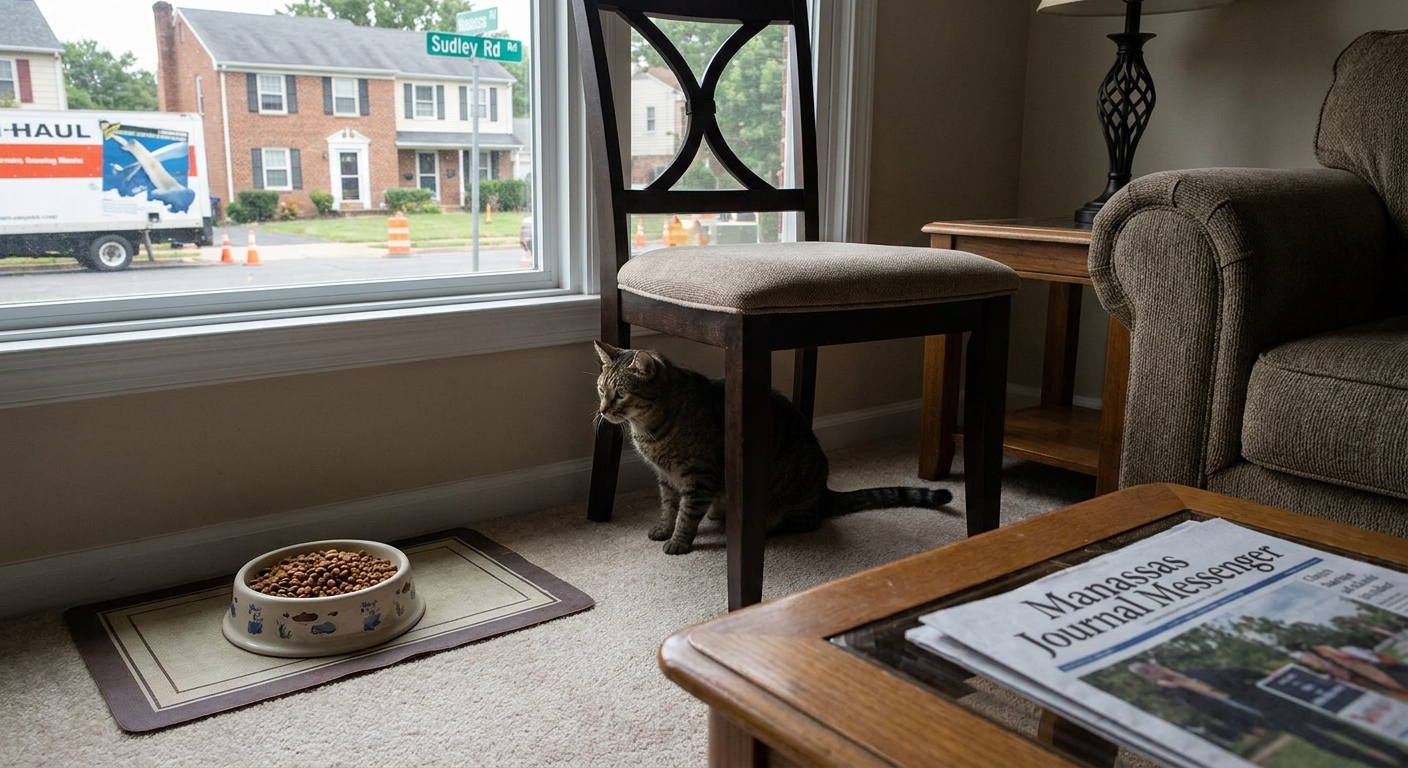
Cats don't handle change the way we do. They don't adapt on the fly. A new piece of furniture, a loud neighbor, or even a shift in your work schedule can throw their entire system into chaos. And when that happens, the first thing to go is their appetite. Not because they're being picky — because their body is in survival mode.
The Biology Behind a Stressed-Out Cat
When your cat feels threatened or overwhelmed, their system floods with stress hormones. Adrenaline spikes. Cortisol kicks in. The body prepares to either bolt or fight, and digestion takes a back seat. That's fine for a few hours. But if the stress lingers, so does the loss of appetite. And cats can't afford to skip meals the way humans can.
A cat that goes without food for 48 hours risks hepatic lipidosis — a liver condition that can be fatal if untreated. Their liver starts breaking down fat for energy, but the process overwhelms the organ. What began as stress turns into a medical crisis. That's why acting fast matters, especially in a place like Manassas where household activity, traffic noise, and seasonal storms are constant.
What Sets Off a Cat in the First Place
Cats are hardwired for routine. Any disruption — no matter how minor it seems to you — can register as a threat. In Manassas, we see this play out in predictable ways. A family moves into a new rental. Someone adopts a second pet. Construction starts next door. Fireworks go off during a holiday weekend. Each of these scenarios can send a cat into stress mode.
Even subtle changes matter. Rearranging the living room. Switching litter brands. Having guests over for a weekend. Cats don't compartmentalize stress the way we do. They absorb it all, and their eating habits reflect that overload.
Common Triggers in Manassas Homes
- Relocation or major household changes like new furniture or room layouts
- Introduction of another pet, a baby, or a new household member
- Ongoing construction, landscaping, or street work nearby
- Fireworks, thunderstorms, or other loud, unpredictable noises
- Vet visits, grooming appointments, or car rides
Behavioral Red Flags Beyond the Food Bowl
Loss of appetite is the headline symptom, but it's rarely the only one. Stressed cats show their discomfort in multiple ways, and the more signs you spot, the clearer the picture becomes. Some cats hide under beds or in closets for hours. Others groom themselves obsessively, creating bald patches or skin irritation. A few turn vocal — meowing more than usual or going silent when they're normally chatty.
Litter box behavior shifts too. A stressed cat might avoid the box entirely, or they'll use it more frequently in small amounts. Aggression can flare up — hissing at familiar people, swatting without provocation. Or the opposite happens, and your once social cat becomes withdrawn and unresponsive. These aren't personality quirks. They're distress signals, and understanding early signs of illness in your pet can help you differentiate between stress and medical issues.
Signs Your Cat Is Running on Empty
- Extended hiding or reluctance to come out for usual activities
- Over-grooming or completely neglecting grooming habits
- Unusual vocalizations or total silence when normally communicative
- Litter box avoidance or inconsistent bathroom habits
- Sudden aggression, skittishness, or complete withdrawal from interaction
How to Pull Them Back From the Edge
If stress is driving your cat's refusal to eat, you've got a narrow window to turn things around. Start by identifying what changed. Did you rearrange rooms? Did a neighbor start a renovation project? Is there a new dog barking next door? Once you've pinpointed the stressor, reduce it or remove it if possible. If you can't eliminate it, you can at least buffer your cat from its impact.
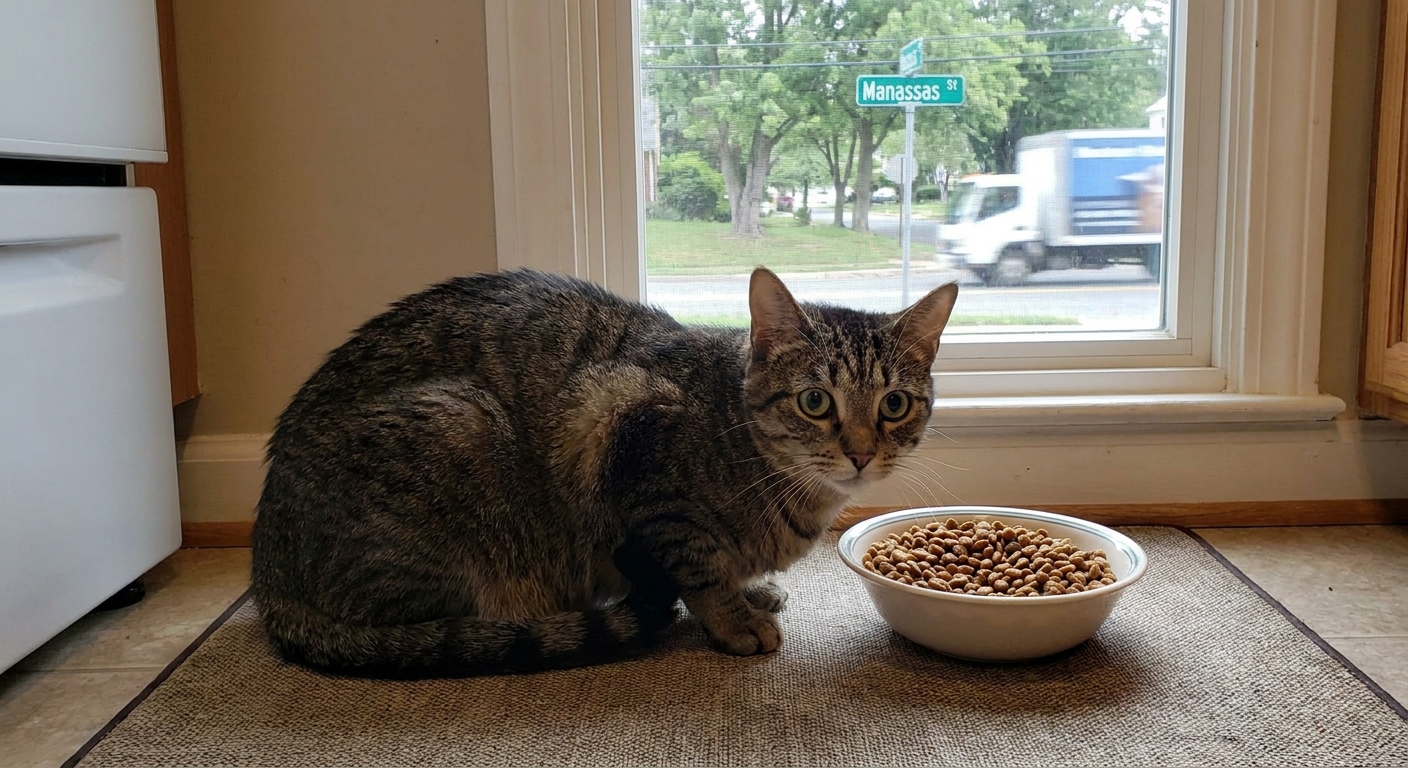
Routine is your strongest tool. Feed at the same time every day. Keep the litter box in the same spot. Limit household disruptions during peak stress periods. Create quiet zones where your cat can retreat — a bedroom corner, a closet shelf, anywhere they feel safe. Pheromone diffusers can help too, mimicking the calming scents cats release naturally. And if your cat's still refusing food, try warming wet food or offering high-value treats to trigger their appetite, as proper pet nutrition is critical to their recovery.
Immediate Steps to Ease the Tension
- Pinpoint recent changes in the home or neighborhood and minimize exposure
- Stick to a fixed feeding schedule and avoid altering daily routines
- Establish safe, quiet spaces where your cat can decompress without interruption
- Use calming pheromone products to create a more secure environment
- Offer warmed wet food or favorite treats to encourage eating
When DIY Isn't Enough
If your cat refuses to eat for more than 24 hours, it's time to call a vet. Don't wait for them to "snap out of it." Cats don't have the metabolic cushion humans do. Every skipped meal increases the risk of liver damage. A vet can rule out underlying medical issues — infections, dental pain, gastrointestinal blockages — and confirm whether stress is the real driver.
Your vet may recommend appetite stimulants, anti-anxiety medication, or dietary adjustments. In severe cases, they'll discuss hospitalization or feeding tubes. It sounds extreme, but it's often necessary. The faster you act, the better the outcome. Waiting only compounds the problem, and a stressed cat that's not eating is already on borrowed time. If you're unsure whether the situation warrants immediate attention, our urgent veterinary care team can assess your cat's condition promptly.
What a Vet Can Do That You Can't
- Rule out infections, blockages, dental disease, or other medical causes
- Prescribe appetite stimulants or anti-anxiety medications when appropriate
- Provide feeding support or nutritional intervention for cats at risk of liver disease
- Offer behavioral guidance tailored to your cat's specific stressors
- Monitor liver function and overall health to prevent long-term damage
Building a Stress-Proof Environment
Once you've stabilized your cat, the work shifts to prevention. That means creating a home environment where stress doesn't build in the first place. Consistency matters more than comfort. Your cat doesn't need luxury — they need predictability. Feed at the same time. Play at the same time. Keep their space intact.
If you know a stressor is coming — a move, a holiday gathering, construction — prep your cat in advance. Set up a safe room before chaos hits. Use calming sprays. Limit exposure to the trigger. And monitor their eating closely. The goal isn't to eliminate every stressor. That's impossible. The goal is to give your cat the tools to handle it without shutting down. For ongoing anxiety issues, our behavioral counseling services can provide tailored strategies to reduce stress triggers in your home.
Prevention Beats Panic Every Time
- Maintain strict daily routines for feeding, play, and interaction
- Prepare safe zones before introducing known stressors into the home
- Monitor food intake daily so you catch changes within 24 hours
- Use calming products proactively during high-stress periods like holidays or moves
- Keep vet contact information handy and act fast when appetite drops
Stress Doesn't Announce Itself
Your cat won't tell you they're overwhelmed. They'll just stop eating. And by the time you notice, the window to intervene is already shrinking. Stress-induced appetite loss isn't a quirk or a phase — it's a medical risk. The sooner you recognize it, the faster you can course-correct. Pay attention to the details. Track their meals. Watch their behavior. And when something feels off, don't wait to see if it resolves on its own. Knowing when to call an emergency vet can make the difference between a manageable situation and a medical crisis. In Manassas or anywhere else, a stressed cat needs action, not observation. The food bowl tells the story — make sure you're reading it before it's too late. For additional support with anxiety management, explore our tips on keeping your cat calm during vet visits to reduce overall stress levels.
Let’s Help Your Cat Bounce Back
We know how stressful it is when your cat stops eating and nothing you try seems to help. Together, we can get to the root of your cat’s anxiety and restore their appetite—so you both can get back to normal. If you’re worried about your cat’s eating habits or need expert advice, call us at 571-208-1011 or contact us today. Let’s work as a team to keep your cat happy and healthy.
‹ Back
Recent Posts
-
Can Stress Make Your Cat in Manassas Stop Eating?
September 23, 2026
-

What it Means if Your Dog is Scratching More Than Normal
September 9, 2026
-
Signs Your Pet in Manassas Could Have an Ear Infection
August 26, 2026
-
Does Your Pet Need a Microchip Update in Manassas?
August 12, 2026
-
Can Indoor Cats Skip Annual Vet Visits in Manassas?
July 29, 2026