



By using our website, you agree to the use of cookies as described in our Cookie Policy
Is Your Pet in Manassas Gaining Weight Too Quickly?
Most pet owners think extra pounds are just about the food bowl. Fill it up, call it a day. But your vet sees more than that — and if you don't, you're setting up for real problems. Weight gain might not seem urgent until it shows up as joint pain, labored breathing, or a diabetes diagnosis. Especially if those treats keep coming without a second thought.
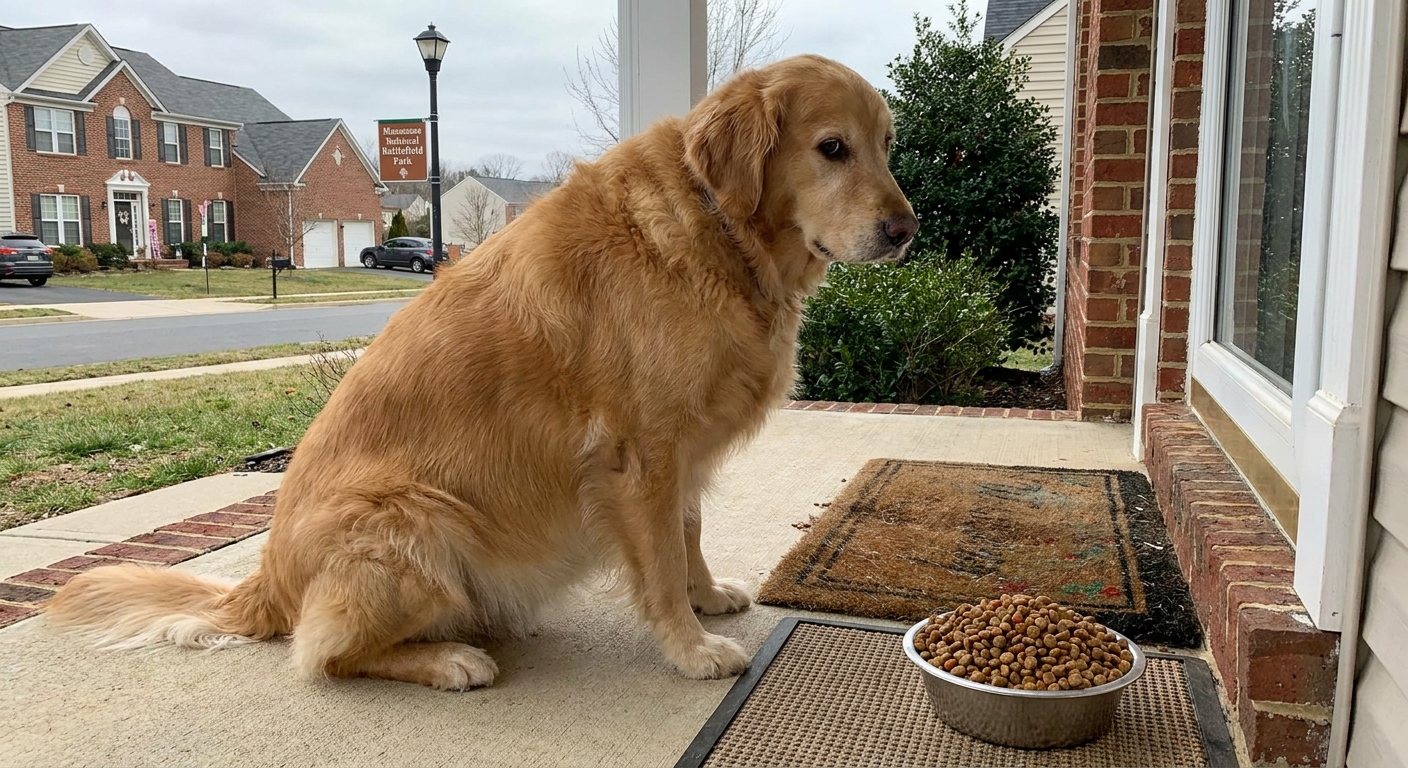
So here's what matters. If you're feeding your dog or cat to keep them happy, that's fine. Just don't act like calories don't count. Every meal should match their actual needs. Every snack adds up. And every health decision should be grounded in how active they are — not just how cute they look when begging.
When the Scale Creeps Up Without Warning
Nine times out of ten, weight gain sneaks in gradually. You add a little extra kibble, toss them table scraps, skip a walk because it's raining — that's normal life, not neglect. Your pet doesn't complain. The numbers don't alarm you. Until one day the vet mentions it and suddenly you're wondering how it happened.
But if that weight piles on fast? Different situation. Sudden gains can signal something medical — thyroid issues, hormone imbalances, even fluid retention. We see this play out constantly with older pets or animals recovering from surgical services. Plenty of owners assume it's just age or laziness — it's not always that simple. And when something's off, waiting too long means the damage gets harder to reverse.
The Risks Stacking Up Behind the Pounds
Extra weight doesn't just sit there looking harmless. It compounds into real consequences that show up in how your pet moves, breathes, and lives day to day.
Here's where it hits hardest:
- Joint stress worsens with every extra pound, turning stairs into obstacles and playtime into a chore
- Diabetes risk climbs when fat interferes with insulin regulation, especially in cats
- Heart function suffers under the strain of pushing blood through a heavier body
- Breathing becomes labored when chest fat presses against airways, particularly in brachycephalic breeds
- Lifespan shortens as chronic conditions pile up and mobility fades
The Warning Signs Most Owners Miss
You live with your pet every day, so gradual changes blend into the background. That's why so many people don't realize their animal is overweight until a vet appointment forces the conversation. But the clues are there if you know where to look.
Check for these indicators:
- Ribs that you can't feel without pressing harder than you used to
- A waistline that's disappeared or rounded out instead of tucking in
- Reduced energy or reluctance to jump, run, or climb like before
- A belly that sags or swings when they walk
- Difficulty grooming themselves, especially in cats
What's Fueling the Gain
Weight doesn't appear out of nowhere. It builds from habits that feel harmless in the moment but add up over weeks and months. Some causes are obvious. Others hide behind good intentions or busy schedules.
Common culprits include:
- Overfeeding at meals because portion sizes aren't measured or the bag's guidelines don't match your pet's actual activity level
- Treat overload from multiple family members who don't coordinate, plus training rewards that aren't factored into daily calories
- Exercise gaps caused by weather, work demands, or assuming your pet self-regulates activity when they really don't
- Metabolic slowdown after spaying or neutering, which drops calorie needs without owners adjusting intake
- Medical conditions like hypothyroidism or Cushing's disease that alter how the body stores fat and burns energy
Fixing It Without the Drama
Reversing weight gain isn't about crash diets or sudden overhauls. It's about small, consistent shifts that your pet can sustain and you can actually stick to. No guilt trips. No expensive gimmicks. Just deliberate choices backed by a plan that makes sense for your household.
Start here:
- Measure every meal with a cup or scale so you know exactly what's going in, not just a rough guess
- Cut treats to less than ten percent of daily calories and swap high-calorie snacks for veggies or lean proteins
- Increase movement with longer walks, play sessions, or puzzle feeders that make your pet work for food
- Track weight weekly so you catch stalls or gains early instead of months later
- Consult your vet to rule out medical causes and get a target weight that's realistic for your pet's breed and build
When DIY Doesn't Cut It
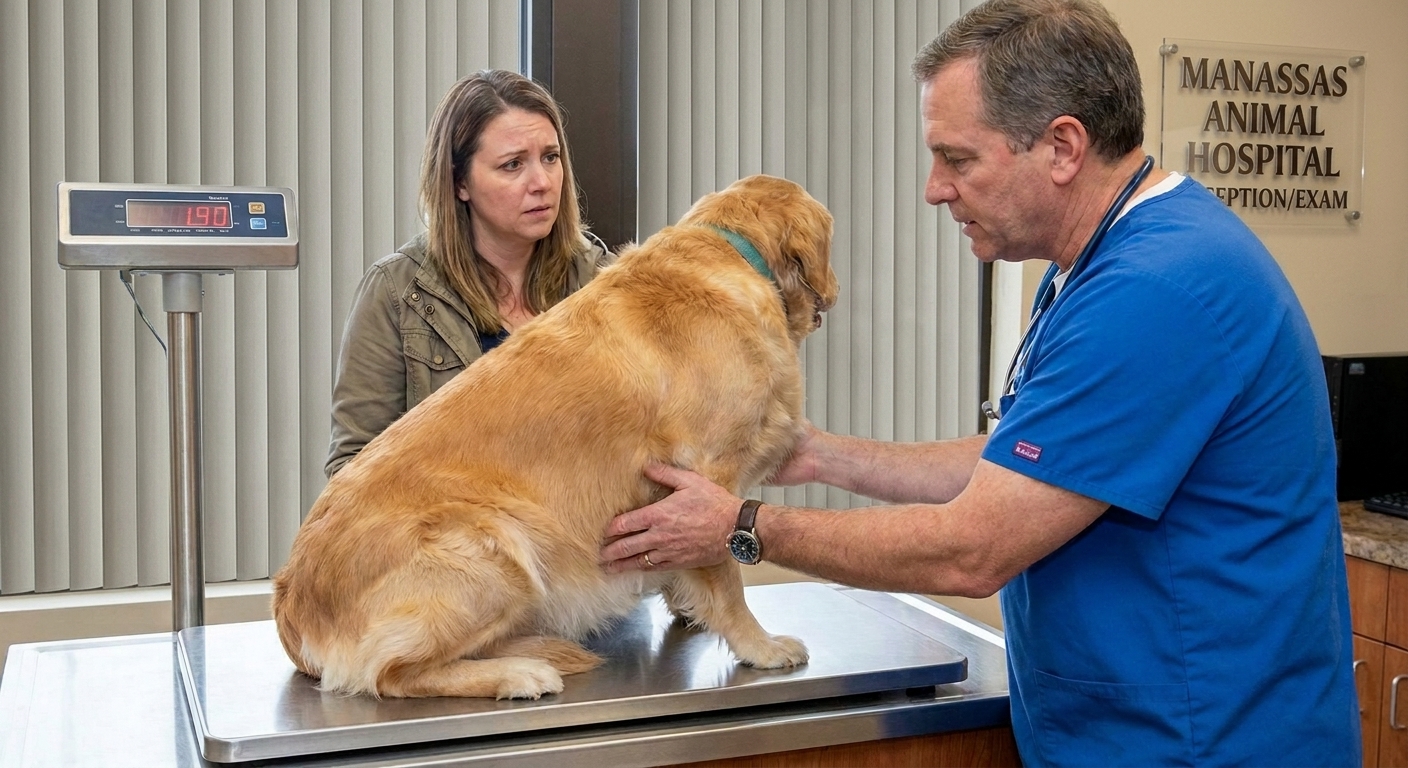
If your pet's weight won't budge despite your best efforts, or if the gain happened suddenly alongside other symptoms, it's time to bring in professional help. Weight management sounds simple until underlying issues complicate the picture. That's when guessing costs you time and puts your pet's health at risk.
A vet helps you identify what's normal and what's not, adjust feeding strategies based on real metabolic needs, and catch problems like diabetes or heart disease before they spiral. Understanding how pet nutrition affects their health is essential for effective weight management. Recognizing early signs of illness in your pet can help you address weight-related health issues before they escalate. It's not about admitting defeat. It's about using the right tools to get results that last.
Keeping the Progress Real
Getting your pet back to a healthy weight isn't the hard part. Keeping them there — and defending that progress against holiday treats, well-meaning relatives, and your own tired evenings — that's where most owners slip. There's no excuse for inconsistency when the guidelines are clear. But there's also no room for beating yourself up when life gets messy. Helping senior pets stay active and comfortable in Manassas requires attention to weight management as part of their overall wellness plan. Regular wellness vaccinations and yearly vet checkups in Manassas ensure your pet's weight and health are monitored consistently. We help pet owners in Manassas do more than recognize the problem. We help them build habits that stick — with clarity, consistency, and an understanding of what it means for their pet's longevity, not just the number on the scale.
Let's Keep Your Pet Thriving
We all want our pets to live their happiest, healthiest lives—and that starts with managing their weight before it becomes a bigger issue. If you’re ready to take the next step or need expert guidance, let’s work together to create a plan that fits your pet’s unique needs. Call us at 571-208-1011 or contact us today to get started on a healthier future for your furry family member.
‹ Back
Recent Posts
-
Is Your Pet in Manassas Gaining Weight Too Quickly?
October 21, 2026
-
When Should You Bring Your New Kitten to the Vet in Manassas?
October 7, 2026
-
Can Stress Make Your Cat in Manassas Stop Eating?
September 23, 2026
-
What it Means if Your Dog is Scratching More Than Normal
September 9, 2026
-
Signs Your Pet in Manassas Could Have an Ear Infection
August 26, 2026