







By using our website, you agree to the use of cookies as described in our Cookie Policy
When Should You Bring Your New Kitten to the Vet in Manassas?
Most new kitten owners think vet visits are something you schedule eventually. Maybe next week. Maybe when the little furball seems off. But your kitten's immune system doesn't wait for you to get organized. The first few weeks matter more than most people realize — and skipping early care isn't just risky, it's asking for problems down the road.
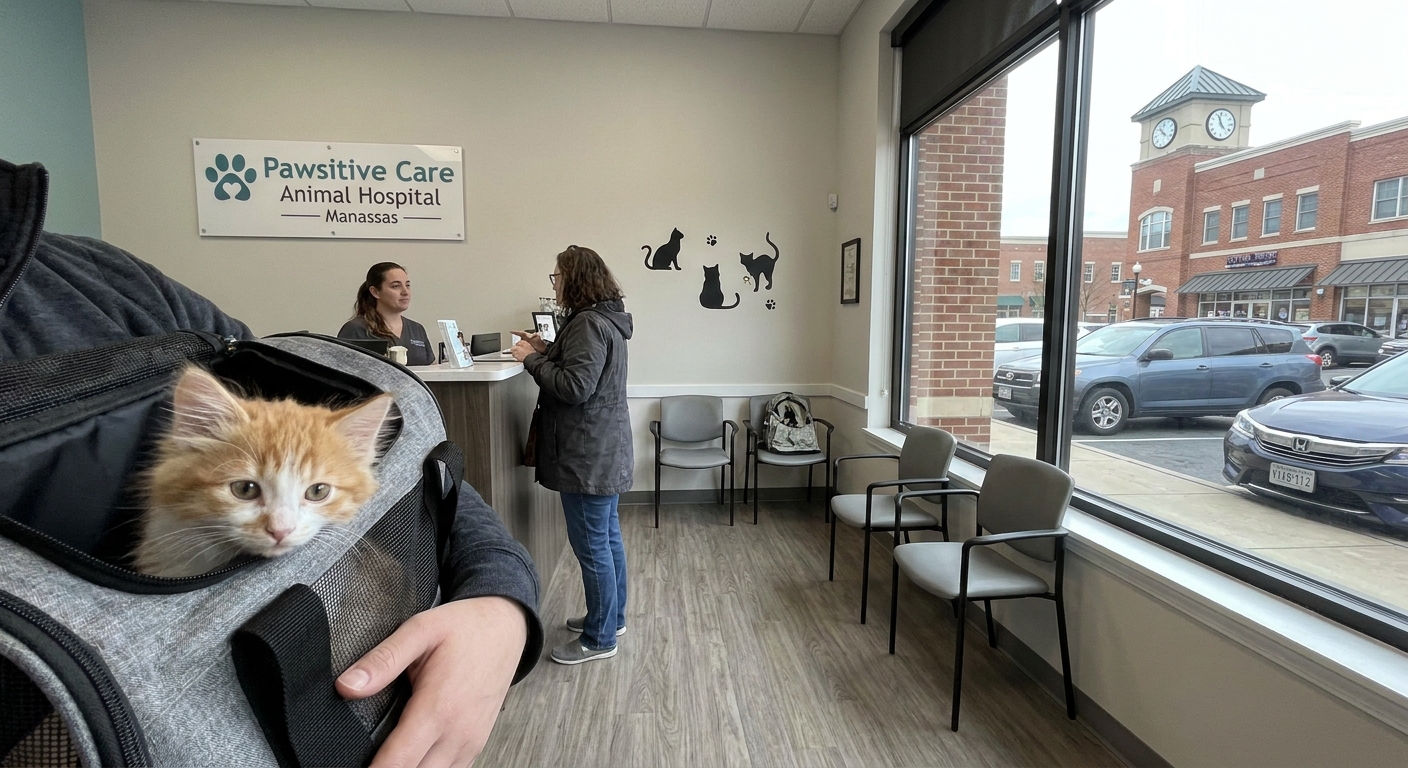
So here's the truth. If you've just brought home a kitten, we're talking days, not weeks. The vet visit isn't about checking a box. It's about catching what you can't see, preventing what you can, and setting up a foundation that keeps your cat healthy for years. Every day you wait is a day without answers.
The Window You Can't Miss
We recommend getting your kitten in within the first week of bringing them home. If they're already six to eight weeks old, that appointment should already be on the books. Even if the shelter or breeder said everything checked out, you still need your own vet to take a look. Different eyes, different records, different relationship.
That first visit establishes baseline health. Weight, temperature, heart rate, lung function — all of it gets documented. And if something's brewing under the surface, your vet will spot it before it becomes a crisis. Kittens hide illness well. By the time you notice symptoms, the problem's often further along than you think.
What Actually Happens During That First Checkup
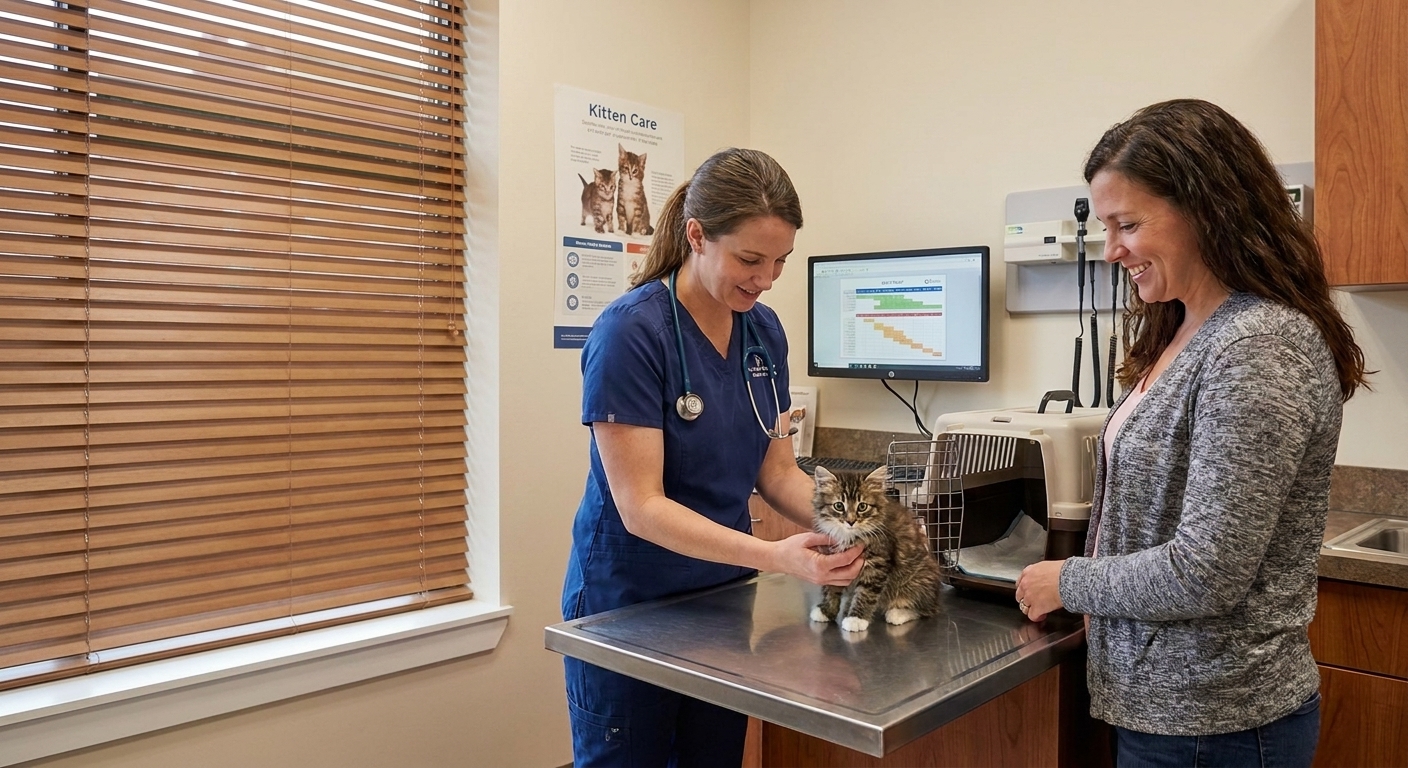
Your vet's going to do more than glance at your kitten and call it good. We're talking a full physical exam — eyes, ears, mouth, skin, coat, abdomen, heart, lungs. They'll check for congenital issues, parasites, and anything that doesn't add up. Your kitten gets weighed, their temperature taken, and their overall body condition assessed.
Beyond the exam itself, your vet will map out a plan. That includes vaccination schedules, deworming protocols, nutrition guidance, and behavioral expectations. You'll also talk about spaying or neutering, microchipping, and flea prevention. These aren't optional extras. They're the building blocks of responsible ownership.
- Vaccination timeline starting at six to eight weeks
- Deworming for intestinal parasites most kittens carry
- Nutrition tailored to growth and development needs
- Litter training tips and behavioral red flags
- Spay or neuter discussion for around five to six months
- Microchip options for permanent identification
Warning Signs That Can't Wait
Some symptoms don't give you the luxury of waiting for a regular appointment. If your kitten shows any of the following, get them in immediately. We're not talking tomorrow. We're talking now.
Kittens deteriorate fast when something's wrong. Their small size and developing immune systems mean they don't have the reserves adult cats do. What looks mild in the morning can become critical by evening. Don't second-guess yourself. If it feels off, it probably is.
- Labored or rapid breathing
- Vomiting or diarrhea that won't quit
- Extreme lethargy or complete lack of response
- Refusal to eat or drink for a full day
- Bloated or painful belly
- Discharge from eyes, nose, or mouth
- Crying, hiding, or other signs of pain
- Limping or sudden inability to move normally
Vaccines and Follow-Ups Aren't Negotiable
After that first visit, your kitten's going to need booster shots. These aren't one-and-done. The vaccination schedule spans several weeks, and missing appointments leaves your kitten vulnerable to diseases that still circulate in the area. Feline distemper, upper respiratory infections, rabies — all preventable if you stick to the plan.
Your vet will also monitor growth and development during these follow-ups. Weight gain, teeth eruption, behavioral milestones — everything gets tracked. These visits give us a chance to catch developmental issues early and adjust care as your kitten matures. It's not overkill. It's standard protocol for a reason.
Finding a Vet in Manassas Who Gets It
Not all veterinary clinics approach feline care the same way. You want a vet who specializes in cats or at least has significant experience with them. Ask around. Check online reviews. Visit the clinic before you commit if you can. The staff should be knowledgeable, the facility clean, and the vibe calm — not chaotic.
We also recommend looking at hours and emergency policies. Can you get in on short notice? Do they have weekend availability? What happens if your kitten crashes at midnight? These questions matter more than you think, especially during that fragile first year.
- Experience with feline-specific health issues
- Staff who handle kittens gently and confidently
- Clear communication about costs and care plans
- Convenient hours that fit your schedule
- Emergency coverage or referral protocols
The Records You'll Actually Need
If your kitten came from a shelter, breeder, or rescue, bring any paperwork they gave you. Vaccination records, deworming history, health certificates — all of it. Your vet needs to know what's already been done so they don't duplicate or miss anything. If you don't have records, say so. Your vet will start fresh, but it's better to have documentation when possible.
Going forward, keep copies of everything. Vaccine dates, exam notes, prescriptions, lab results. If you switch vets or move, those records travel with you. And if your kitten ever has an emergency, having a complete health history on hand can save critical time.
- Any records from the shelter, breeder, or rescue
- Previous vaccination or deworming documentation
- Notes on behavior, eating habits, or concerns
- List of questions you want answered during the visit
Preventive Care Pays Off Later
Taking your kitten to the vet in Manassas right away isn't about being overly cautious. It's about being smart. Early intervention prevents expensive problems. Vaccinations stop disease. Parasite control keeps your home and your kitten safe. And a solid relationship with your vet means you've got someone in your corner when things get complicated.
We've seen too many owners wait too long — and regret it. The kittens who get early, consistent care are the ones who thrive. The ones who slip through the cracks end up costing more in the long run, both financially and emotionally. Don't let your kitten be one of them. Book that appointment, show up prepared, and give your new companion the best shot at a healthy life.
Let's Give Your Kitten the Best Start
We know how much your new kitten means to you, and we're here to make sure they get the healthiest start possible. From that very first checkup to every milestone ahead, our team is ready to answer your questions and guide you every step of the way. If you're ready to schedule your kitten's first visit or just want to talk through your concerns, give us a call at 571-208-1011 or contact us today. Let's work together to keep your newest family member happy and thriving.
‹ Back
Recent Posts
-
When Should You Bring Your New Kitten to the Vet in Manassas?
October 7, 2026
-
Can Stress Make Your Cat in Manassas Stop Eating?
September 23, 2026
-
What it Means if Your Dog is Scratching More Than Normal
September 9, 2026
-
Signs Your Pet in Manassas Could Have an Ear Infection
August 26, 2026
-
Does Your Pet Need a Microchip Update in Manassas?
August 12, 2026