







By using our website, you agree to the use of cookies as described in our Cookie Policy
Can Fleas and Ticks Make Your Pet Sick?
Most pet owners see fleas and ticks as annoying. Little bloodsuckers that make dogs scratch and cats hide under the couch. But these parasites aren't just irritating—they carry disease, drain blood, and leave lasting damage if you ignore them. Your pet doesn't need to be covered in bugs to get sick. One infected tick can do it. One flea bite can trigger an immune response that spirals into infection.

So here's what matters. If you've got a dog or cat that goes outside—or even one that doesn't—you're in parasite territory. And prevention isn't about whether your pet "seems fine." It's about knowing what these pests do once they latch on, and how fast things can go sideways if you're not paying attention.
What Fleas Actually Do to Your Pet
Fleas don't just bite and bounce. They feed, breed, and multiply fast. A single flea can lay up to 50 eggs a day, and those eggs fall into carpets, bedding, and cracks in your floor. Within weeks, you've got an infestation—not just on your pet, but in your home.
The bites themselves cause itching, but that's not the real problem. Some pets develop flea allergy dermatitis, where even one bite sets off an allergic reaction. The skin gets inflamed, hair falls out, and your pet scratches until sores open up. Those sores? They invite bacterial infections. And once bacteria gets in, you're looking at vet visits, antibiotics, and weeks of recovery. Beyond the skin, fleas carry tapeworms. Your pet grooms itself, swallows an infected flea, and now there's a parasite in the intestines. Tapeworms sap nutrients, cause weight loss, and leave visible segments around the rear end. In puppies, kittens, or small breeds, heavy infestations can cause anemia—literally draining enough blood to make your pet weak, lethargic, or worse.
Ticks Deliver More Than a Bite
Ticks attach, feed for days, and inject pathogens directly into the bloodstream. They're not opportunistic like fleas—they're strategic. And the diseases they carry can wreck your pet's health long after the tick is gone.
Lyme disease is the one most people know. It causes joint pain, fever, and kidney damage if left untreated. But ticks also transmit ehrlichiosis, which targets white blood cells and leads to bleeding disorders. Rocky Mountain spotted fever brings fever, muscle pain, and neurological issues. Babesiosis destroys red blood cells, leading to jaundice and severe anemia. Some of these diseases don't show symptoms right away. By the time your pet is limping or losing appetite, the infection has already taken hold. And in rare cases, ticks release toxins that cause paralysis—a creeping weakness that can shut down breathing if the tick isn't removed fast.
Signs Your Pet Has a Problem
You won't always see the fleas or ticks. But your pet will tell you something's wrong—if you know what to look for.
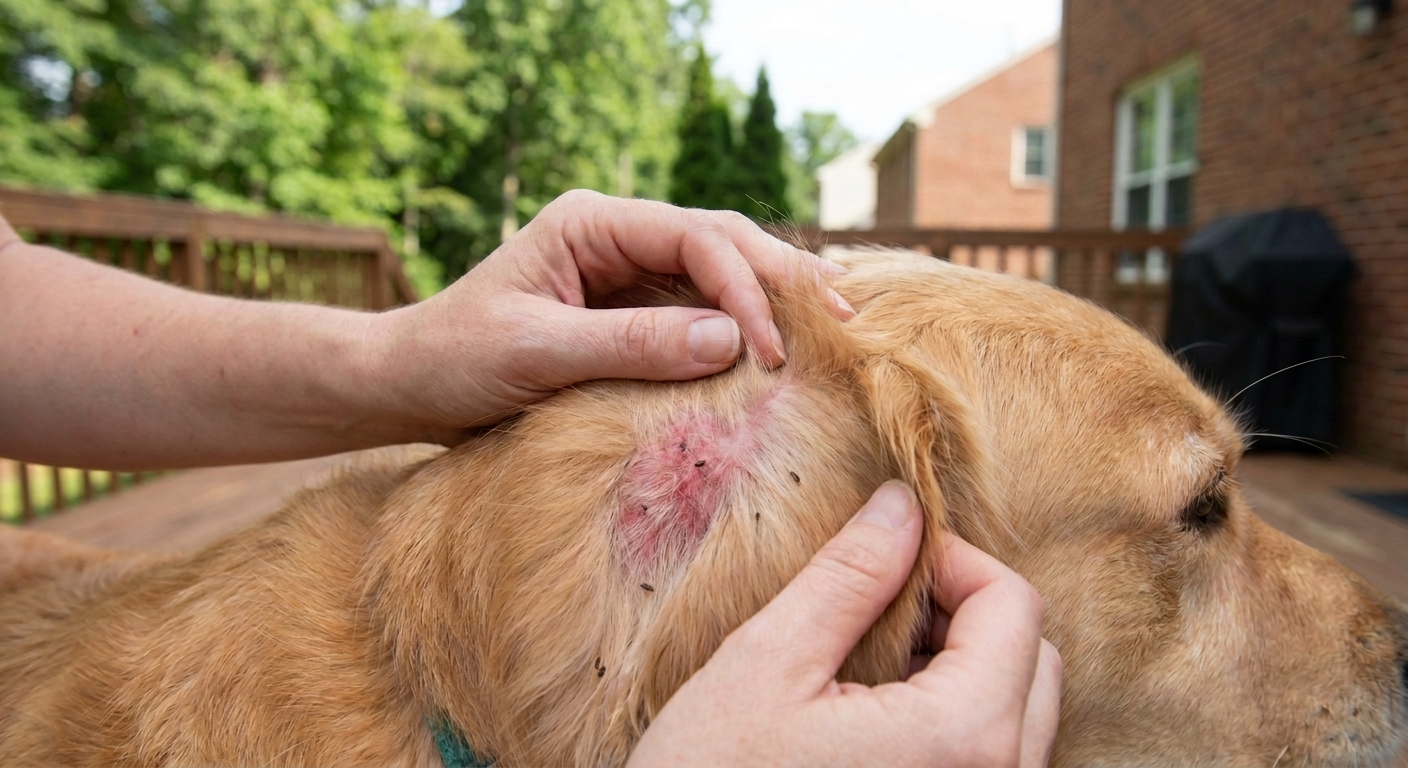
Watch for excessive scratching, especially around the base of the tail, neck, or belly. Check for red, irritated skin or small black specks in the fur—that's flea dirt, which is basically digested blood. If you part the fur and see tiny brown insects hopping away, that's confirmation. Ticks are easier to spot if you run your hands over your pet's body after they've been outside. They feel like small bumps, often around the ears, neck, or between the toes.
- Nonstop scratching, biting, or licking at the skin
- Visible parasites or flea dirt in the coat
- Red, inflamed patches or hair loss
- Unexplained lethargy or weakness
- Weight loss or changes in appetite
- Visible worm segments near the anus or in stool
Prevention Beats Treatment Every Time
We don't wait for infestations to happen. We stop them before they start. That means year-round heartworm, flea, and tick prevention, even in winter. Fleas can survive indoors, and ticks can be active whenever it's above freezing.
Use vet-approved preventatives—topicals, oral medications, or collars designed to kill or repel parasites. Over-the-counter products aren't always effective, and some can be dangerous if used incorrectly. After hikes, park visits, or any time in tall grass, do a full-body check. Run your hands through the coat, feel for bumps, and look closely at the ears and paws. Keep your yard maintained. Mow regularly, clear brush, and eliminate standing water where pests breed. Wash bedding weekly and vacuum floors, furniture, and car interiors where eggs and larvae can hide.
- Apply veterinarian-recommended preventatives all year
- Inspect your pet's skin and coat after outdoor time
- Maintain a clean yard with short grass and no debris piles
- Wash pet bedding and vacuum frequently
- Remove ticks immediately using tweezers, pulling straight up without twisting
When to Call the Vet
If you find a tick that's been attached for more than 24 hours, call your vet. That's the window where disease transmission becomes likely. If your pet is scratching nonstop, losing hair, or showing signs of lethargy or appetite loss, don't wait. Flea infestations and tick-borne diseases don't resolve on their own.
Vets can run blood tests to detect infections, prescribe targeted treatments, and recommend the best prevention plan for your pet's lifestyle. If you've tried treating an infestation at home and it's not clearing up, bring in a professional. The longer parasites stay on your pet, the worse the damage gets.
- Persistent scratching or skin inflammation
- Visible fleas, ticks, or signs of infestation
- Sudden lethargy, weakness, or loss of appetite
- Unexplained weight loss or digestive issues
- Any tick attached for more than a day
Don't Let Small Pests Become Big Problems
Fleas and ticks aren't just gross—they're dangerous. They spread disease, cause pain, and turn a healthy pet into a sick one faster than most owners expect. But the good news? You can stop them. With consistent prevention, regular checks, and fast action when something's off, your pet stays protected.
We don't gamble with parasite control. We treat it like the serious health risk it is. Because once disease sets in, you're not just dealing with pests anymore—you're dealing with medications, urgent veterinary care, and a pet that didn't have to suffer in the first place. For yearly vet checkups in Manassas and wellness and vaccinations, our team ensures your companion receives comprehensive protection against parasites and disease.
Let’s Keep Your Pet Protected Together
We know how much your pet means to you, and we’re here to help you stay ahead of fleas, ticks, and the health risks they bring. If you have questions or need expert advice on prevention and treatment, let’s talk. Call us at 571-208-1011 or contact us today so we can help your pet stay happy, healthy, and pest-free all year long.
‹ Back
Recent Posts
-

Can Fleas and Ticks Make Your Pet Sick?
November 4, 2026
-

Is Your Pet in Manassas Gaining Weight Too Quickly?
October 21, 2026
-

When Should You Bring Your New Kitten to the Vet in Manassas?
October 7, 2026
-
Can Stress Make Your Cat in Manassas Stop Eating?
September 23, 2026
-

What it Means if Your Dog is Scratching More Than Normal
September 9, 2026