







By using our website, you agree to the use of cookies as described in our Cookie Policy
Common Reasons Cats Need Lab Testing in Manassas
Most cat owners think vet visits are just about vaccines and checkups. Paws in, paws out. But your veterinarian sees more than that — and if you don't, you're missing early warnings. Lab work may not seem urgent when your cat looks fine, but it leaves a trail of data that can catch disease before symptoms show. Especially if you're dealing with aging cats or unexplained changes.
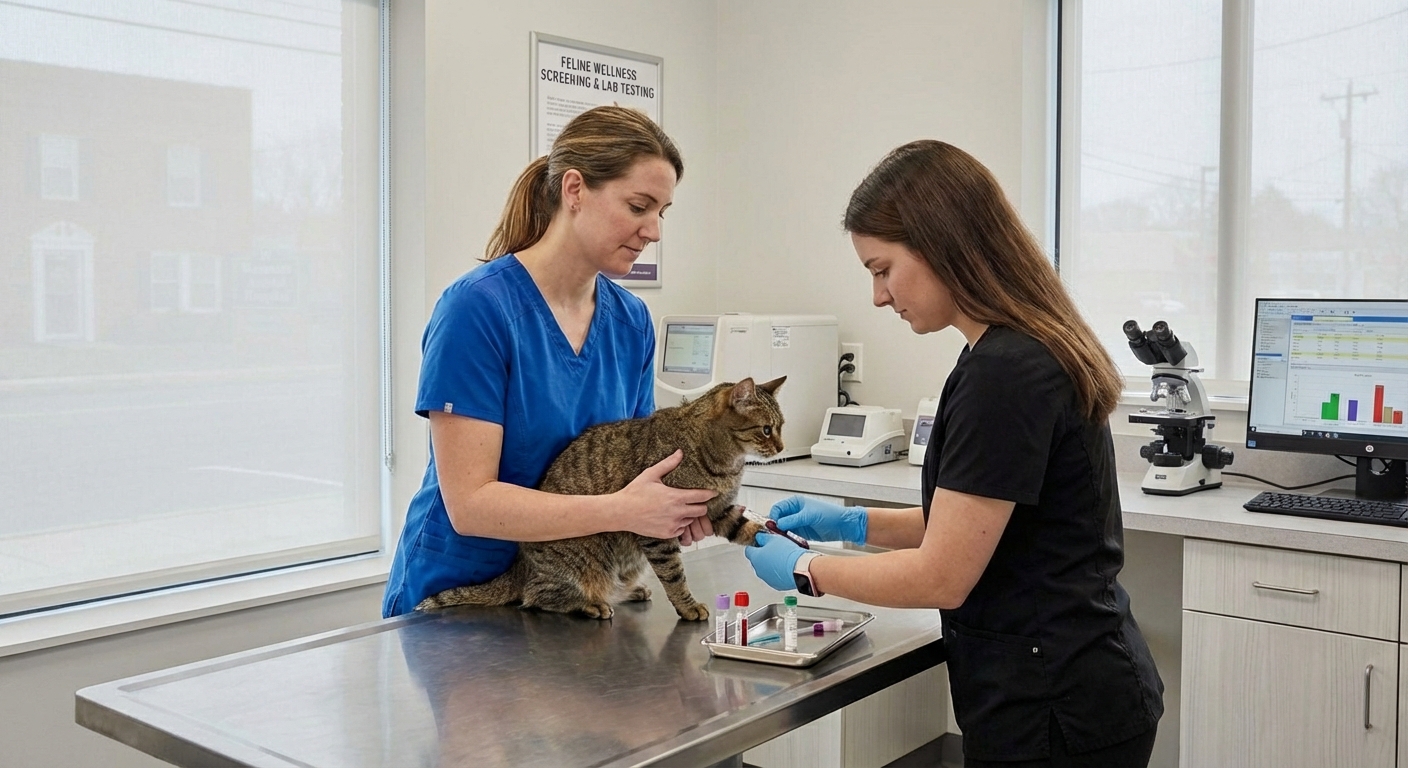
So here's the reality. If you're raising a feline companion in Manassas, that's great. Just don't treat bloodwork like optional paperwork. Every test should have a purpose. Every result needs context. And every health decision should be grounded in what the labs reveal — not just what you see on the surface.
Wellness Screening Catches What You Can't See
Nine times out of ten, cats hide illness until it's advanced. They're wired that way — survival instinct, not stubbornness. Your vet doesn't rely on behavior alone, only on what the blood and urine tell them and whether baseline values have shifted.
But if those numbers start drifting? Different story. Early kidney trouble, liver enzyme spikes, or blood sugar irregularities can show up months before your cat acts sick. We see this play out constantly with senior cats. Plenty of owners thought their pet was just slowing down — it wasn't age. And when disease gets flagged early, treatment options multiply unless you wait until symptoms force your hand.
The Tests That Actually Matter
You can't diagnose what you don't measure — that's just guessing. But the lab panels? Those deliver answers. Your vet typically orders tests based on what your cat needs, not what sounds impressive.
Here's where that matters most:
- Complete blood count: Checks for anemia, infection, and immune system problems that don't show outward signs
- Chemistry panel: Evaluates kidney function, liver health, blood sugar, and electrolyte balance in one sweep
- Thyroid testing: Hyperthyroidism is common in older cats and mimics a dozen other conditions without bloodwork
- Urinalysis: Detects crystals, infection, protein loss, and early kidney disease before damage becomes irreversible
- Fecal exams: Parasites don't always cause visible symptoms, but they drain your cat's health quietly over time
When Symptoms Demand Answers
Want to know what's wrong? You'll need to prove it with data — and that means running the right tests.
Your vet watches for three main triggers:
- Sudden weight changes without diet shifts or activity differences
- Increased thirst or urination that persists beyond a day or two
- Vomiting, diarrhea, or lethargy that doesn't resolve on its own
Miss one of those, and the diagnosis gets delayed. Even if the symptoms technically seem minor at first. And if any behavior involves the litter box? That portion's critical too. No guessing games when urinary blockages can turn fatal within hours.
Pre-Surgery Screening Isn't Negotiable
If your cat needs anesthesia for dental work or surgery, there's a safety checkpoint built in. Your vet runs bloodwork to confirm your cat can handle sedation without hidden risks.
We need to file pre-anesthetic labs and verify organ function before proceeding.
Most healthy cats sail through — but those with undetected kidney issues or clotting problems need adjusted protocols. Especially if they're older or carrying extra weight. Skip the screening, and you're gambling with complications that could have been avoided.
Your Cat's Health Record Is Only As Good As Your Data
Want to track trends? Build a history. You'll need more than a few vet receipts to understand how your cat's aging.
Here's what your documentation should include:
- Annual or biannual lab results filed chronologically
- Notes on any symptoms or behavior changes leading up to testing
- Medication records if your cat takes daily prescriptions
- Weight logs showing gradual shifts over months or years
If disease develops, your vet won't just compare one test. They'll look at patterns. Mixing sporadic testing with inconsistent records is one of the fastest ways to miss progressive illness. So if that senior cat you adopted came with no history, start fresh and stay consistent.
Where Most Cat Owners Slip Up
Trying to skip labs because your cat "seems fine"? Your vet won't find that reassuring. Delayed testing can cost you treatment windows or even raise emergency bills later. Most cat owners play it safe by sticking to recommended schedules — and plenty stay ahead by catching problems early instead of reacting to crises.
Don't wait until symptoms scream at you to book bloodwork. If you ignore subtle changes, you're giving disease a head start. If you test reactively instead of proactively, you risk finding out too late. Run labs on schedule. It's boring. It works.
Chronic Conditions Need Ongoing Monitoring
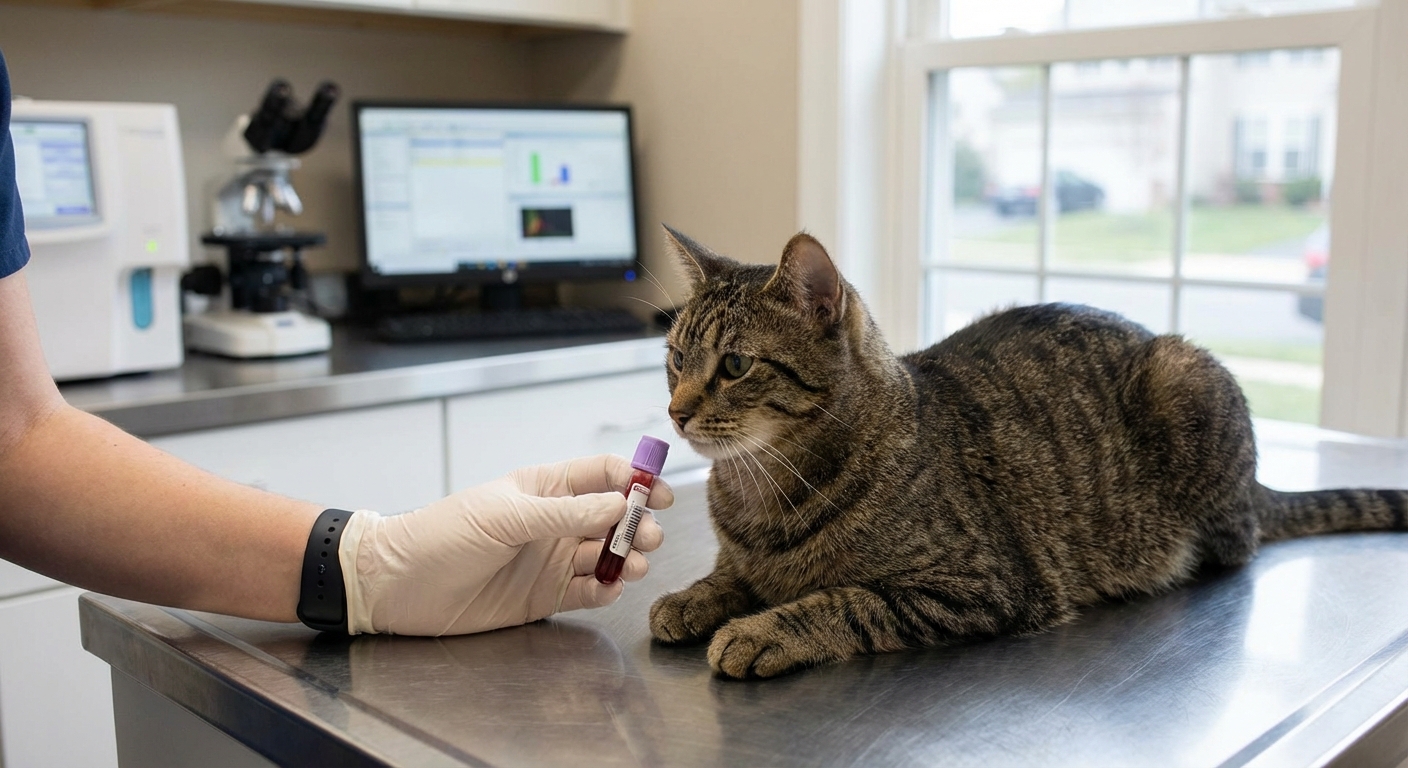
If your cat has diabetes, kidney disease, or hyperthyroidism, that's a red flag area. If medication doses aren't adjusted based on current labs — or you just didn't recheck when recommended — organ function can decline faster than expected. Follow your vet's recheck intervals and don't guess. That's what regular monitoring is for.
Senior Cats Deserve Extra Attention
Aging isn't a disease, but it opens the door to plenty of them. Cats over seven years old benefit from more frequent lab testing to catch age-related changes early. Kidney function declines gradually. Thyroid levels creep up. Blood sugar regulation weakens. None of this announces itself with obvious symptoms until it's entrenched.
We recommend biannual testing for senior cats in Manassas, even when they're acting normal. It's not about finding problems — it's about confirming everything still works. And when something does shift, you'll have the data to act fast instead of playing catch-up.
Toxin Exposure Requires Immediate Testing
If your cat got into something dangerous — lilies, antifreeze, human medications — lab work isn't optional. Blood and urine tests identify what's in their system and how much damage has occurred. Time matters here more than anywhere else. The faster you test, the better the odds of reversing harm before organs fail.
A tax pro helps you identify which interest is deductible — a vet helps you identify which toxin is circulating. Both require speed and precision.
When to Call Your Vet
If your cat's behavior shifts, appetite changes, or litter box habits look off, you're in territory where waiting gets risky.
Your vet helps you:
- Determine which labs are necessary based on symptoms and history
- Interpret results correctly and explain what they mean for treatment
- Separate normal aging from actual disease progression
- Handle follow-up testing when chronic conditions require monitoring
- Keep your cat healthy long-term instead of reacting to emergencies
It's not just about solving today's problem. It's about building a health strategy that keeps your cat thriving for years. If you're curious how other Manassas pet owners have handled these kinds of challenges, ask your vet about success stories that show what's possible when you test strategically.
Data Drives Better Decisions
Loving your cat isn't the hard part. Protecting their health with timely testing — and acting on what the labs reveal — that's where owners get caught off guard. There's no excuse for skipping recommended bloodwork when early detection is there for the taking. But there's also no second chance when you ignore the warning signs.
At your Manassas veterinary clinic, we help cat owners do more than react to illness. We help them stay ahead — with clarity, speed, and an understanding of what lab results mean for their cat's future, not just their current symptoms.
Let's Keep Your Cat Healthy Together
We know how much your cat means to you, and we're here to help you make the best choices for their long-term health. If you have questions about lab testing or want to schedule a visit, let's talk it through and create a plan that fits your cat's needs. Call us at 571-208-1011 or contact us today to get started on proactive care for your feline friend.
‹ Back
Recent Posts
-
When Should You Bring Your New Kitten to the Vet in Manassas?
October 7, 2026
-
Can Stress Make Your Cat in Manassas Stop Eating?
September 23, 2026
-
What it Means if Your Dog is Scratching More Than Normal
September 9, 2026
-
Signs Your Pet in Manassas Could Have an Ear Infection
August 26, 2026
-
Does Your Pet Need a Microchip Update in Manassas?
August 12, 2026