



By using our website, you agree to the use of cookies as described in our Cookie Policy
When Limping Pets Should Be Taken Seriously
Most pet owners see a limp and think it'll pass. Maybe the dog stepped wrong. Maybe the cat jumped funny. But limping isn't always minor — and waiting too long can turn a fixable problem into something permanent. The leg that looks fine on the outside might be hiding a fracture, a torn ligament, or an infection brewing under the surface. If your pet won't put weight on a limb, that's not a wait-and-see situation.
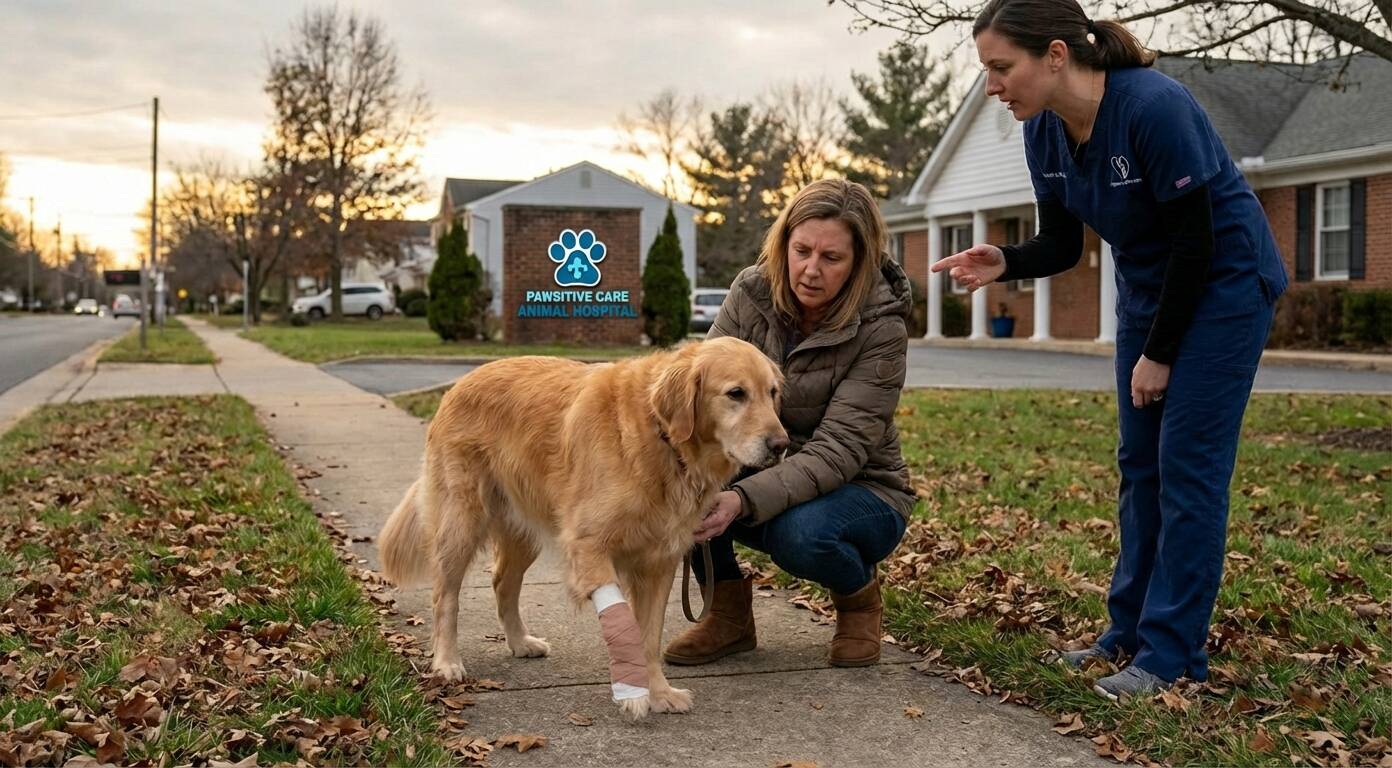
So here's what matters. If your animal is favoring a leg, you need to know what you're looking at. Some limps resolve with rest. Others need X-rays, medication, or surgery. And the difference between those outcomes often comes down to how fast you act — not how long you hope it gets better on its own.
What Causes a Limp in the First Place
Limping doesn't come out of nowhere. Something triggered it — whether that's trauma, wear and tear, or an underlying condition that's been building for months. The tricky part is that pets don't always show pain the way we expect. They hide it. They keep moving. And by the time the limp is obvious, the damage may already be significant.
Common triggers include soft tissue injuries like sprains or strains, foreign objects wedged into paw pads, arthritis flaring up in older animals, fractures from falls or impacts, infections that start small and spread, ligament tears that destabilize joints, and congenital issues like hip dysplasia that show up as your pet matures. Each one presents differently. Each one requires a different response. And none of them get better because you ignored them.
Red Flags That Mean You Need a Vet Now
Not every limp is an emergency. But some are. And if you miss the signs, you're gambling with your pet's mobility and quality of life. The IRS won't audit your decision here, but your dog or cat will pay the price if you guess wrong.
Watch for these warning signs:
- Sudden refusal to bear weight on the limb — that's fracture or dislocation territory
- Visible swelling, heat, or a leg that looks bent or misshapen
- Open wounds, bleeding, or exposed tissue around the injury site
- Limping that lasts more than two days without any improvement
- Vocalizing when you touch the leg — whining, growling, or snapping
- Fever, lethargy, or loss of appetite alongside the limp
- Multiple legs affected at once, which points to systemic or neurological issues
Your First Move When the Limp Shows Up
Before you panic, take a breath and assess. Check the affected leg for obvious problems — cuts, thorns, swelling, or anything that doesn't belong. Run your hand gently along the limb and feel for heat or tenderness. If your pet tolerates it, you might spot the issue right there. A small thorn? You can probably handle that. A swollen joint or a leg that feels wrong? That's a vet call.
In the meantime, limit movement. No walks. No jumping. No roughhousing with the other pets. Create a quiet space where your animal can rest without making things worse. And whatever you do, don't reach for your own medicine cabinet. Human pain relievers can be toxic to pets, and even a small dose can cause serious harm.
What Happens at the Vet Clinic
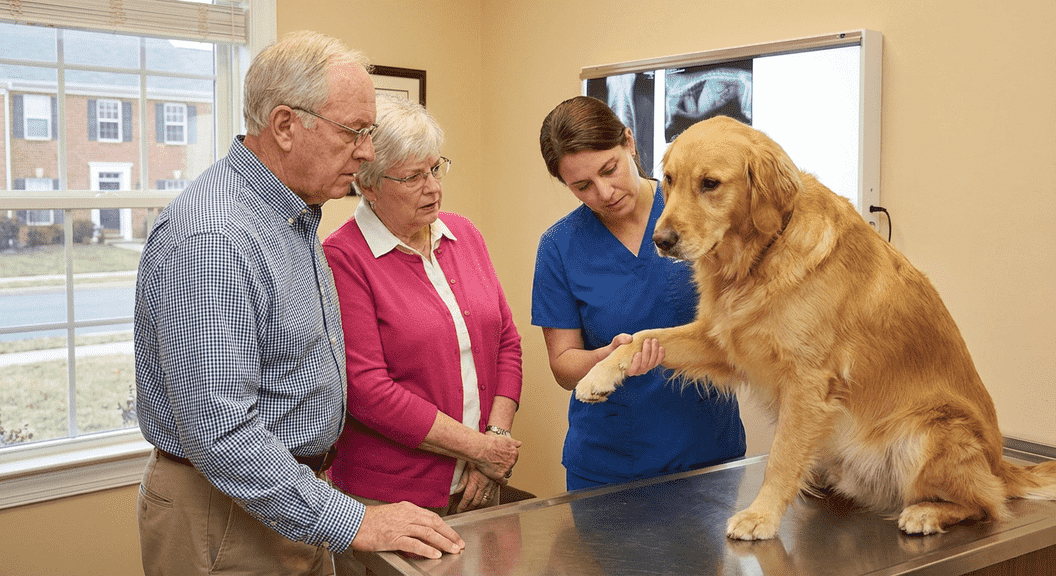
Your veterinarian won't just eyeball the limp and send you home. They'll run a full exam, checking range of motion, joint stability, and pain response. Depending on what they find, you might be looking at X-rays to rule out fractures, bloodwork to check for infection or inflammation, or joint taps if there's concern about ligament damage or arthritis.
Treatment varies based on diagnosis:
- Rest and anti-inflammatories for minor sprains or strains
- Antibiotics if there's an infection brewing
- Splints or casts for fractures that don't require surgery
- Surgical intervention for torn ligaments, dislocations, or severe breaks
- Long-term management plans for chronic conditions like arthritis or hip dysplasia
How to Keep Your Pet Off the Injured List
You can't bubble-wrap your dog or cat, but you can reduce the odds of injury. Keep your home and yard free of hazards — no sharp objects, no slippery floors, no gaps where a paw can get stuck. Maintain a healthy weight for your pet, because extra pounds put extra stress on joints and ligaments. And match exercise to your pet's age and breed. A senior Labrador doesn't need the same workout as a two-year-old Border Collie.
Regular vet visits catch problems early. Arthritis doesn't announce itself with a dramatic limp — it creeps in. Hip dysplasia shows up gradually. Catching these conditions before they become debilitating gives you more options and better outcomes.
The Cost of Waiting Too Long
Delaying treatment doesn't save money. It costs more. A minor sprain that could've healed with rest and medication can turn into chronic instability if your pet keeps using the leg. A small infection can spread. A hairline fracture can become a full break. And once the damage is done, you're looking at longer recovery times, more invasive treatments, and a pet that may never move the same way again.
We've seen it happen. Pet owners who thought the limp would resolve on its own, only to find out weeks later that their dog tore a cruciate ligament or their cat developed a bone infection. By then, the window for simple fixes has closed. Surgery becomes the only option. And even with surgery, full recovery isn't guaranteed.
When to Trust Your Gut
You know your pet better than anyone. If something feels off, it probably is. Maybe the limp isn't severe, but your dog is acting different — quieter, less interested in food, reluctant to move. Maybe your cat is hiding more than usual or hissing when you get close. Those behavioral changes matter. They're clues that something hurts, even if the limp itself looks mild.
Don't second-guess yourself into inaction. A quick vet visit might reveal nothing serious, and that's fine. Peace of mind is worth the trip. But if there is a problem, catching it early makes all the difference. Your pet can't tell you what's wrong. You have to read the signs and act on them.
Limping Isn't a Guessing Game
Taking on the responsibility of a pet means more than feeding and walking. It means recognizing when something's wrong and getting help before it spirals. Limping is your pet's way of signaling a problem. Ignoring it won't make it go away. Treating it like a minor inconvenience won't either. The leg that's favored today could be the one that fails tomorrow if you don't take it seriously.
At the end of the day, your pet depends on you to make the call. And when it comes to limping, the right call is almost always the same — get it checked. The sooner you act, the better the outcome. That's not paranoia. That's just smart pet ownership.
Let’s Get Your Pet Back on All Fours
We all want our pets to stay active, happy, and pain-free. If you notice your dog or cat limping, don’t wait and hope it passes—let’s work together to find the cause and get them the care they deserve. Give us a call at 571-208-1011 or contact us today so we can help your pet get back to their best self.
‹ Back
Recent Posts
-
When Should You Bring Your New Kitten to the Vet in Manassas?
October 7, 2026
-
Can Stress Make Your Cat in Manassas Stop Eating?
September 23, 2026
-
What it Means if Your Dog is Scratching More Than Normal
September 9, 2026
-
Signs Your Pet in Manassas Could Have an Ear Infection
August 26, 2026
-
Does Your Pet Need a Microchip Update in Manassas?
August 12, 2026