


By using our website, you agree to the use of cookies as described in our Cookie Policy
Should You Worry About Your Dog's Bad Breath in Manassas?
Most pet owners think bad breath is just part of having a dog. Slobber happens. Chew toys stink. But if that odor lingers or gets worse, we're looking at something more than kibble residue. Your dog's mouth can tell you a lot about what's happening under the hood — and ignoring the warning signs can lead to pain, infection, or worse.
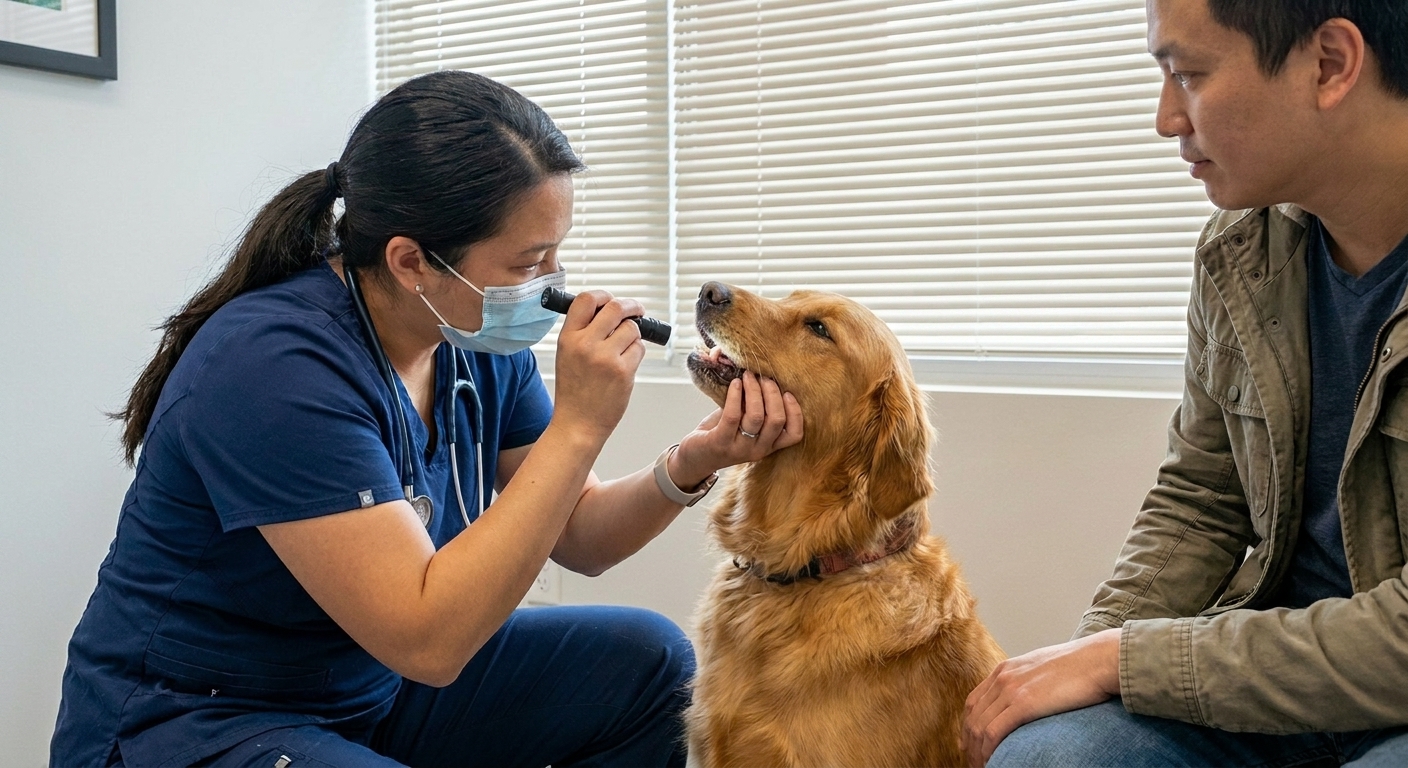
So here's the truth. A little funk after breakfast is normal. A constant wave of smell that clears the room? That's your cue to dig deeper. Every sniff should raise a question. Every symptom needs attention. And every decision about your dog's health should be grounded in what's actually happening in their mouth — not what you're willing to tolerate.
When Bad Breath Isn't Just Bad Breath
Nine times out of ten, halitosis in dogs comes down to bacteria. Plaque builds up, gums get inflamed, and the odor follows. But if that smell shifts — gets sharper, sweeter, or takes on a chemical edge — the problem might not be dental at all. We've seen dogs with diabetes give off a fruity scent. Kidney issues? That's more like ammonia.
And if the bad breath comes with drooling, bleeding gums, or your dog pawing at their face, we're not talking about a cleaning issue anymore. That's discomfort. That's infection. And that's the kind of thing that spreads if you wait too long to address it.
The Damage Plaque Actually Does
Tartar doesn't just sit on teeth looking gross. It eats away at gums, loosens roots, and creates pockets where bacteria thrive. Left unchecked, that bacteria can enter the bloodstream and affect the heart, liver, and kidneys. We're not being dramatic — periodontal disease is one of the most common health problems in dogs over three years old.
Here's where the risk shows up most:
- Gingivitis that progresses into full periodontal disease
- Tooth loss that makes eating painful or impossible
- Abscesses that form under the gum line
- Systemic infections that compromise major organs
- Chronic pain that changes behavior and mood
What the Smell Can Tell You
Not all bad breath smells the same. And the difference matters. A rotten odor usually points to decay or infection in the mouth. But if you're picking up something metallic, that could be blood from inflamed gums. A sweet or fruity scent? That's a red flag for diabetes. And if it smells like urine, kidney function might be compromised.
These aren't subtle clues. They're diagnostic markers. And they're telling you to stop guessing and start acting. Your vet in Manassas can run bloodwork, check organ function, and examine the mouth under sedation if needed. The sooner you bring it in, the easier it is to fix.
Daily Habits That Actually Work
You can't brush away a systemic disease, but you can stop plaque before it becomes one. Regular brushing is the gold standard — and we mean dog toothpaste, not yours. Human formulas contain ingredients that are toxic to dogs. A soft-bristled brush and two minutes a day can cut down on tartar buildup and keep gums healthy.
Here's what should be part of your routine:
- Brushing your dog's teeth at least three times a week
- Using dental chews that actually carry the VOHC seal of approval
- Rotating chew toys to reduce repetitive wear on specific teeth
- Avoiding cooked bones that splinter and damage gums
- Checking your dog's mouth weekly for swelling, discoloration, or objects stuck between teeth
When Home Care Isn't Enough
Even with perfect brushing habits, some dogs need professional dental cleanings. Tartar below the gum line can't be reached with a toothbrush. And once infection sets in, antibiotics and extractions might be the only way forward. Professional dental cleanings require anesthesia, which scares some owners — but the alternative is letting disease progress unchecked.
Your vet will assess your dog's overall health before scheduling a cleaning. Bloodwork ensures your dog can handle anesthesia safely. And during the procedure, they'll scale, polish, and probe for pockets of infection you'd never spot at home. It's not cheap. But it's a lot less expensive than treating heart disease or kidney failure later.
Where Most Dog Owners Go Wrong
Assuming bad breath is just cosmetic. It's not. Ignoring changes in eating habits because your dog still seems happy. Pain doesn't always look like whimpering — sometimes it looks like avoidance or slower chewing. And waiting for symptoms to get worse before booking a vet visit. By then, the damage is done and the treatment is more invasive.
We also see owners who rely on water additives or breath mints marketed for dogs. Some help. Most don't. If the product doesn't mechanically remove plaque or address bacterial overgrowth, it's just masking the problem. And that's the last thing your dog needs.
Foods and Chews That Make a Difference
Not all dental products are created equal. Some are glorified treats with no proven benefit. Others have been clinically tested and approved by the Veterinary Oral Health Council. Look for the VOHC seal before you buy. And pay attention to the size — a chew that's too small can be a choking hazard, while one that's too hard can crack teeth.
Here's what actually helps:
- Raw carrots as a low-calorie, tooth-scrubbing snack
- Dental chews designed to flex and clean as your dog bites
- Prescription dental diets formulated to reduce tartar
- Water additives with enzymatic action that break down plaque
- Rope toys that floss while your dog plays
Red Flags That Need Immediate Attention
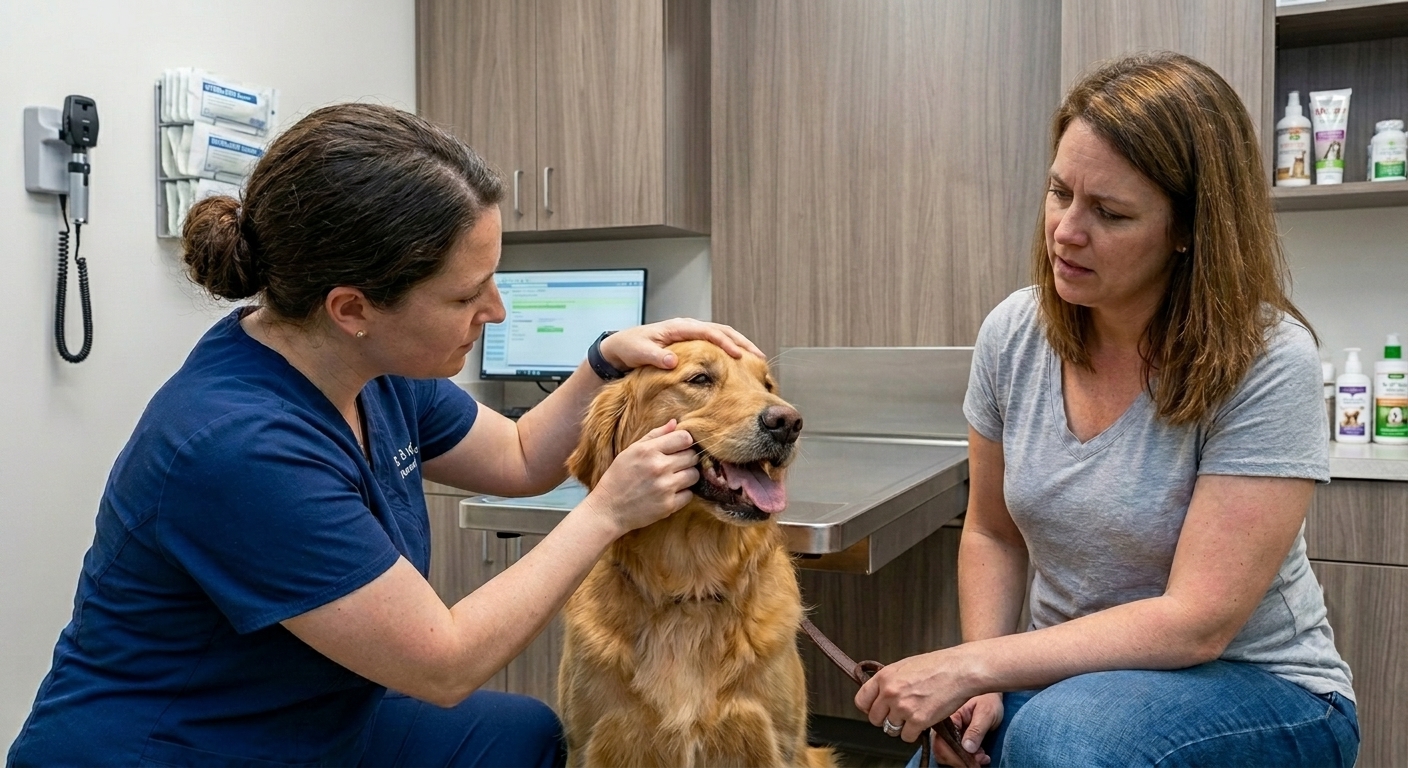
Some symptoms don't wait for your next scheduled vet visit. If your dog stops eating, that's pain. If they're drooling excessively or dropping food, something's wrong in the mouth. Swelling on one side of the face can indicate an abscess. And if you see pus, blood, or a tooth that looks loose, we're past prevention and into crisis mode.
Don't wait to see if it gets better on its own. Oral infections move fast, and they hurt. Your dog won't tell you how bad it is — they'll just stop eating and lose weight. By the time you notice, the infection might have already spread. Call your Manassas vet and get them seen.
Recognizing the Stages of Gum Disease
Periodontal disease doesn't happen overnight. It progresses in stages, and catching it early makes all the difference. Stage one is gingivitis — reversible with cleaning and better hygiene. Stage two involves early bone loss. Stage three means significant damage and probable tooth loss. Stage four is advanced disease with systemic risk.
The earlier you intervene, the more you can save. Once bone loss starts, it doesn't grow back. And once teeth are loose, extraction is often the only option. Regular vet exams catch these changes before they become irreversible.
What Professional Cleanings Actually Involve
A professional dental cleaning isn't just a quick scrub. Your dog is put under anesthesia so the vet can thoroughly examine and clean every surface, including below the gum line. X-rays are taken to check for hidden issues like root infections or bone loss. Scaling removes tartar. Polishing smooths the enamel to slow future buildup.
If extractions are needed, they're done during the same procedure. Your dog wakes up with a cleaner, healthier mouth — and often a lot less pain. Recovery is quick for most dogs, and the difference in their comfort level is immediate.
Getting Ahead of the Problem
Taking care of your dog's teeth isn't a luxury. It's basic maintenance that prevents suffering and saves money in the long run. Bad breath is your early warning system. It's telling you something's off. And the best time to fix it is before it turns into something worse.
At the end of the day, your dog depends on you to notice the signs and act on them. We help Manassas pet owners do more than react to problems — we help them stay ahead with smart, consistent care that keeps tails wagging and mouths healthy for the long haul.
Let’s Keep Your Dog’s Smile Healthy
We all want our dogs to be happy, pain-free, and ready for every adventure. Staying on top of their dental health is one of the best ways to make that happen. If you’ve noticed changes in your dog’s breath or have questions about what’s normal, let’s talk it through together. Give us a call at 571-208-1011 or contact us today so we can help your dog stay healthy and comfortable for years to come.
‹ Back
Recent Posts
-
When Should You Bring Your New Kitten to the Vet in Manassas?
October 7, 2026
-
Can Stress Make Your Cat in Manassas Stop Eating?
September 23, 2026
-
What it Means if Your Dog is Scratching More Than Normal
September 9, 2026
-
Signs Your Pet in Manassas Could Have an Ear Infection
August 26, 2026
-
Does Your Pet Need a Microchip Update in Manassas?
August 12, 2026