



By using our website, you agree to the use of cookies as described in our Cookie Policy
Is Your Dog in Manassas Suddenly Acting Aggressive?
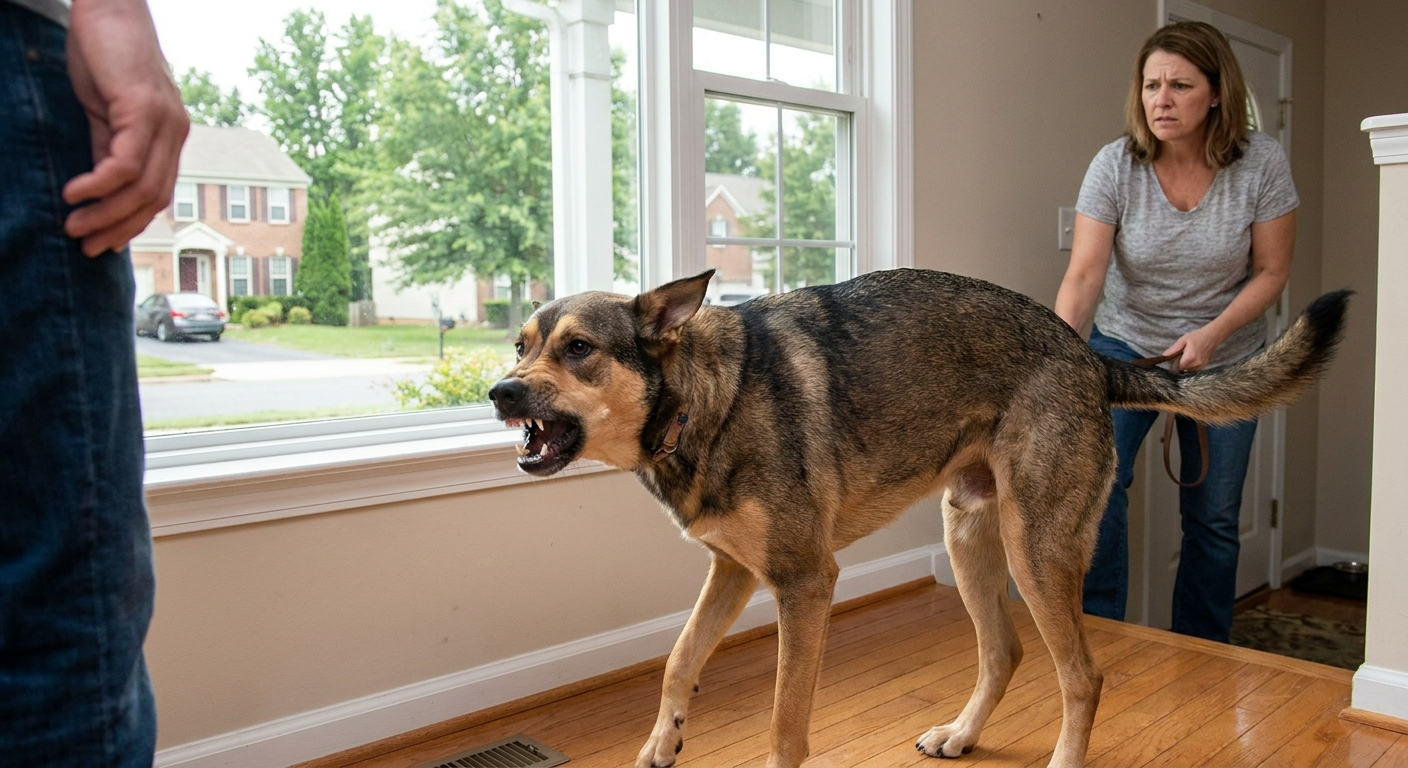
Most dog owners think behavior problems are just about training. Good dog, bad dog. But aggression isn't that simple — and if you ignore the warning signs, you're inviting bigger trouble. Your dog may have always been calm, but sudden changes don't happen in a vacuum. Especially when pain, fear, or environment shifts are in play.
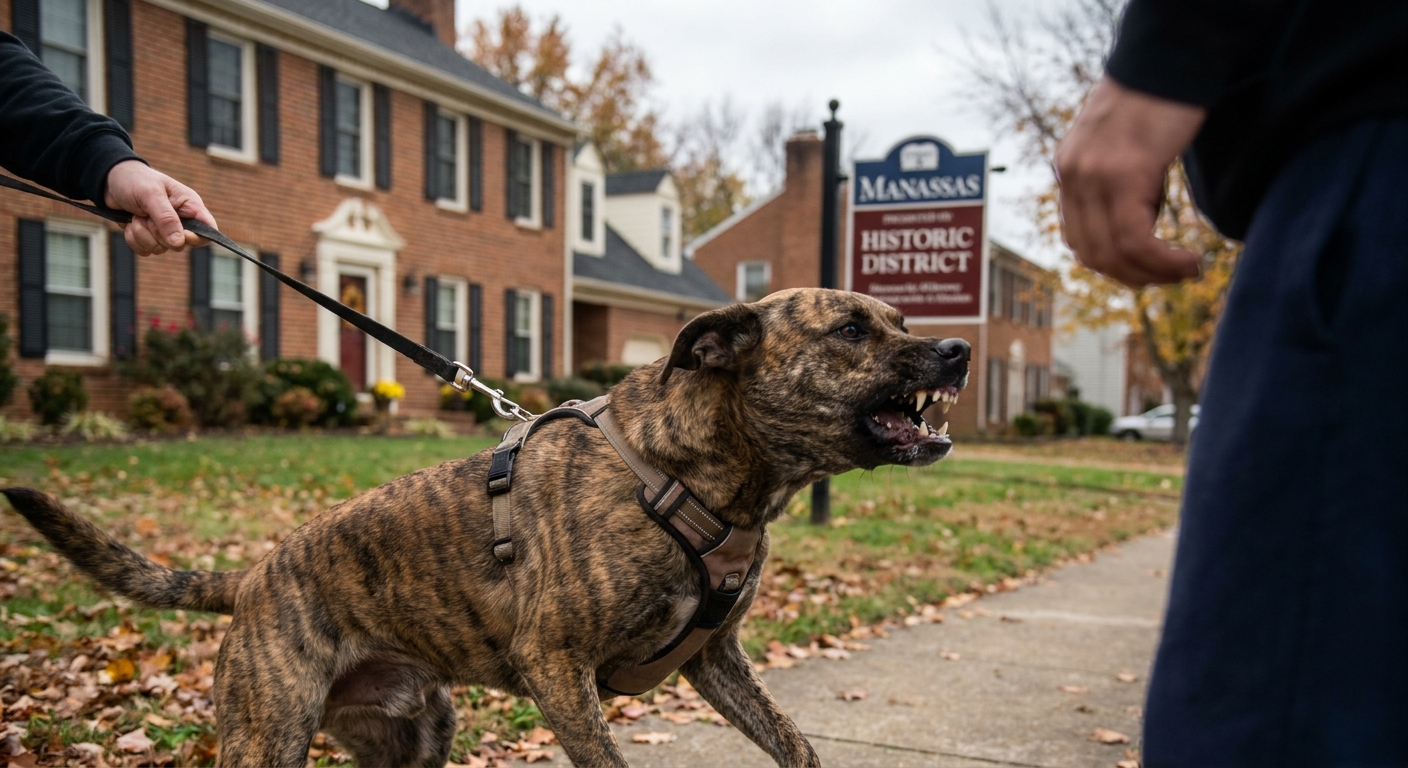
So here's what matters. If your dog is snapping at strangers or growling at family, that's a signal. Just don't brush it off as a mood swing. Every incident should be tracked. Every trigger needs context. And every decision you make should be grounded in what caused the shift — not just how it looked in the moment.
When Behavior Flips Without Warning
Nine times out of ten, sudden aggression has a reason. Your dog didn't wake up mean — something changed. Maybe it's internal, maybe it's environmental. The key is figuring out which door opened and why your dog walked through it.
But if you wait too long to act? Different story. Aggression can escalate fast, especially if the root cause goes untreated. We've seen dogs in Manassas go from occasional snarls to full-blown bites because owners assumed it would pass. It doesn't. And when someone gets hurt, the fallout is serious — legally, emotionally, and for your dog's future.
What Drives the Switch
You can't fix what you don't understand. Aggression stems from somewhere real, and most of the time it traces back to one of a few core issues. The mistake is assuming your dog is just being difficult.
Here's what we see most often behind the behavior:
- Pain that hasn't been diagnosed yet — arthritis, dental infection, internal injury
- Fear triggered by new people, loud sounds, or changes at home
- Resource guarding — food, toys, territory, even you
- Poor socialization history catching up when the world feels bigger
- Neurological or hormonal conditions that alter temperament overnight
The Medical Side Gets Missed Too Often
Want to understand aggression? Start with a vet visit. You'll need to rule out the physical before you dive into the behavioral. A dog in pain doesn't communicate with words — they communicate with teeth.
The vet will check three main things:
- Whether your dog is experiencing chronic or acute pain
- If there's a thyroid imbalance or other hormonal disruption
- Whether medication side effects or neurological issues are at play
Skip this step, and you're guessing. Even if the aggression looks purely emotional, the foundation might be physical. And if part of the problem is medical? Training alone won't touch it.
How We Respond Changes Everything
Reacting the wrong way can make aggression worse. Yelling at your dog or using punishment might stop the behavior in the moment, but it doesn't address the cause. In fact, it often deepens the fear or anxiety driving the reaction.
Here's what actually helps when aggression shows up:
- Document every incident — time, place, who was involved, what happened right before
- Keep your dog away from known triggers until you have a plan
- Use management tools like leashes, crates, or separate spaces to prevent escalation
- Work with a certified behaviorist who understands aggression protocols
- Stay calm and consistent — your energy affects theirs
Training Alone Won't Cut It If the Setup Is Wrong
If your dog hasn't been socialized properly or lives in a high-stress environment, training will only go so far. You can teach commands all day, but if your dog is constantly anxious or bored, the behavior will leak out somewhere.
We see this play out in Manassas homes where dogs are left alone too long, under-exercised, or exposed to chaotic routines. Structure matters. So does stimulation. And so does making sure your dog feels safe in their own space.
Professional Help Isn't Optional for Serious Cases
If your dog has bitten someone, or if the aggression is escalating fast, this isn't a DIY situation. You need behavioral counseling to assess the risk, identify the triggers, and build a behavior modification plan that actually works.
A good trainer or behaviorist will help you:
- Pinpoint what's driving the aggression and how to address it
- Create a safe training environment that doesn't put anyone at risk
- Teach counter-conditioning techniques that shift your dog's emotional response
- Set realistic goals based on your dog's history and temperament
- Keep you accountable so the plan doesn't fall apart after two weeks
It's not just about stopping the growling. It's about rebuilding trust and giving your dog the tools to handle stress without lashing out.
Prevention Beats Cleanup Every Time
Most aggression problems don't appear overnight — they build slowly until something tips the scale. That's why early signs of illness detection and solid habits matter more than quick fixes after the fact.
Here's what keeps dogs stable long-term:
- Routine vet care so health issues get caught early
- Consistent socialization with people, dogs, and new environments
- Daily physical exercise and mental challenges that burn off energy
- Clear boundaries and positive reinforcement that build confidence
- A calm home environment where stress doesn't run the show
Behavior That Defends What Matters
Ignoring sudden aggression isn't just risky — it's unfair to your dog. They're not being stubborn. They're communicating the only way they know how. And if we miss the message, the behavior gets louder until someone gets hurt.
At the end of the day, your dog's aggression is solvable. But only if you take it seriously, dig into the why, and bring in the right help when the situation calls for it. Whether you need wellness vaccinations, dental hygiene and treatments, laboratory diagnostics, or same-day urgent care, Manassas has the resources who understand this stuff inside and out. Use them. Your dog — and everyone around them — will be better off for it.
Let’s Get Your Dog Back on Track
We know how stressful it can be when your dog’s behavior suddenly changes. Together, we can get to the root of the problem and help your dog feel safe and secure again. If you’re ready for answers and real solutions, give us a call at 571-208-1011 or contact us today to start the conversation.
‹ Back
Recent Posts
-
When Should You Bring Your New Kitten to the Vet in Manassas?
October 7, 2026
-
Can Stress Make Your Cat in Manassas Stop Eating?
September 23, 2026
-
What it Means if Your Dog is Scratching More Than Normal
September 9, 2026
-
Signs Your Pet in Manassas Could Have an Ear Infection
August 26, 2026
-
Does Your Pet Need a Microchip Update in Manassas?
August 12, 2026