



By using our website, you agree to the use of cookies as described in our Cookie Policy
Is Your Cat in Manassas Drinking More Water Than Usual?
Most cat owners assume water intake is just routine. Bowl gets filled, cat takes a few laps, life moves on. But when that pattern shifts — when your feline suddenly starts draining the dish faster than usual — it's not something to shrug off. Increased thirst doesn't always mean trouble, but it does leave a trail. Especially when it's paired with other changes in behavior, energy, or litter box habits.
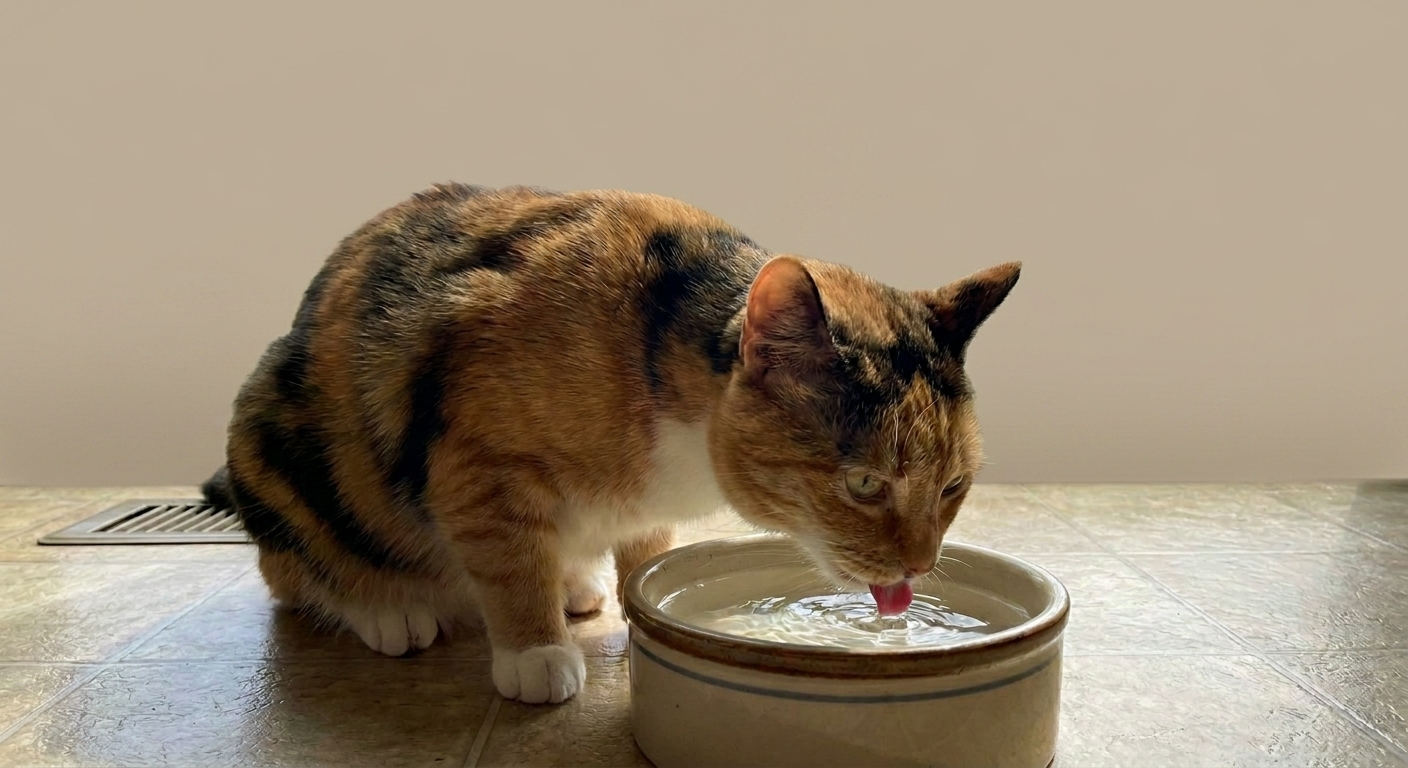
Here's what matters. If your cat's drinking more and you can't tie it to weather or a food switch, that's a signal worth following. Every symptom should get documented. Every shift in routine needs context. And every health decision should be grounded in what's actually happening — not just what you hope is normal.
What Normal Hydration Actually Looks Like
Cats weren't built to guzzle water. Their ancestors thrived in arid climates, pulling most of their hydration straight from prey. Modern house cats still carry that legacy, especially if they're eating wet food. They don't need much from the bowl — maybe 3.5 to 4.5 ounces per five pounds of body weight daily.
But cats vary. Age, diet, and activity all play a role. A kitten running laps around your living room will drink more than a senior cat napping by the window. The key isn't hitting some magic number — it's knowing what's typical for your cat and spotting when that baseline changes.
The Usual Suspects Behind Extra Thirst
Sometimes the answer is simple. Maybe you swapped wet food for kibble, and now your cat needs more water to balance the moisture loss. Maybe it's July in Manassas, and the heat has everyone — cats included — looking for relief. But sometimes the cause runs deeper.
Here's where most cases land:
- Diet shifts: Dry food has far less moisture than wet food. If you've made the switch recently, expect water consumption to climb.
- Temperature and activity: Hot days or increased play can drive thirst up fast. Outdoor time adds to the equation too.
- Medical red flags: Diabetes, kidney disease, hyperthyroidism, and urinary infections all trigger excessive drinking. These show up more often in older cats, but age isn't a shield.
- Medication side effects: Steroids and diuretics are common culprits. If your cat started a new prescription, check the list of side effects.
- Stress responses: Moving, new pets, loud visitors — all of it can throw your cat off balance and mess with their habits.
When the Water Bowl Becomes a Warning Sign
A slight uptick in drinking? Probably fine. A dramatic jump with no clear reason? That's different. If your cat is suddenly planted by the water dish and you can't chalk it up to food or weather, it's time to get professional eyes on it.
Watch for these additional signals:
- More frequent urination or accidents outside the box
- Weight loss or unexpected weight gain
- Appetite changes — eating more, eating less, or becoming picky
- Low energy or unusual behavior patterns
- Vomiting or loose stools
When these stack up alongside increased thirst, you're looking at potential health issues that need more than a wait-and-see approach.
What Happens at the Vet Office
Bring your cat in, and the vet will start with a full exam and a conversation about recent changes. They'll want to know about diet, environment, and behavior shifts. From there, expect blood work, urinalysis, or other laboratory diagnostics to rule out diabetes, kidney dysfunction, or thyroid problems. Catching these early gives you options. Waiting too long doesn't.
Tracking Water Intake Without Guessing
If you want to give your vet real data, measure what goes into the bowl and what's left after 24 hours. Math gets you closer to the truth than memory ever will. If you've got multiple cats, separate bowls make tracking easier. Otherwise, you're just guessing who's drinking what.
Keeping Hydration Consistent and Clean
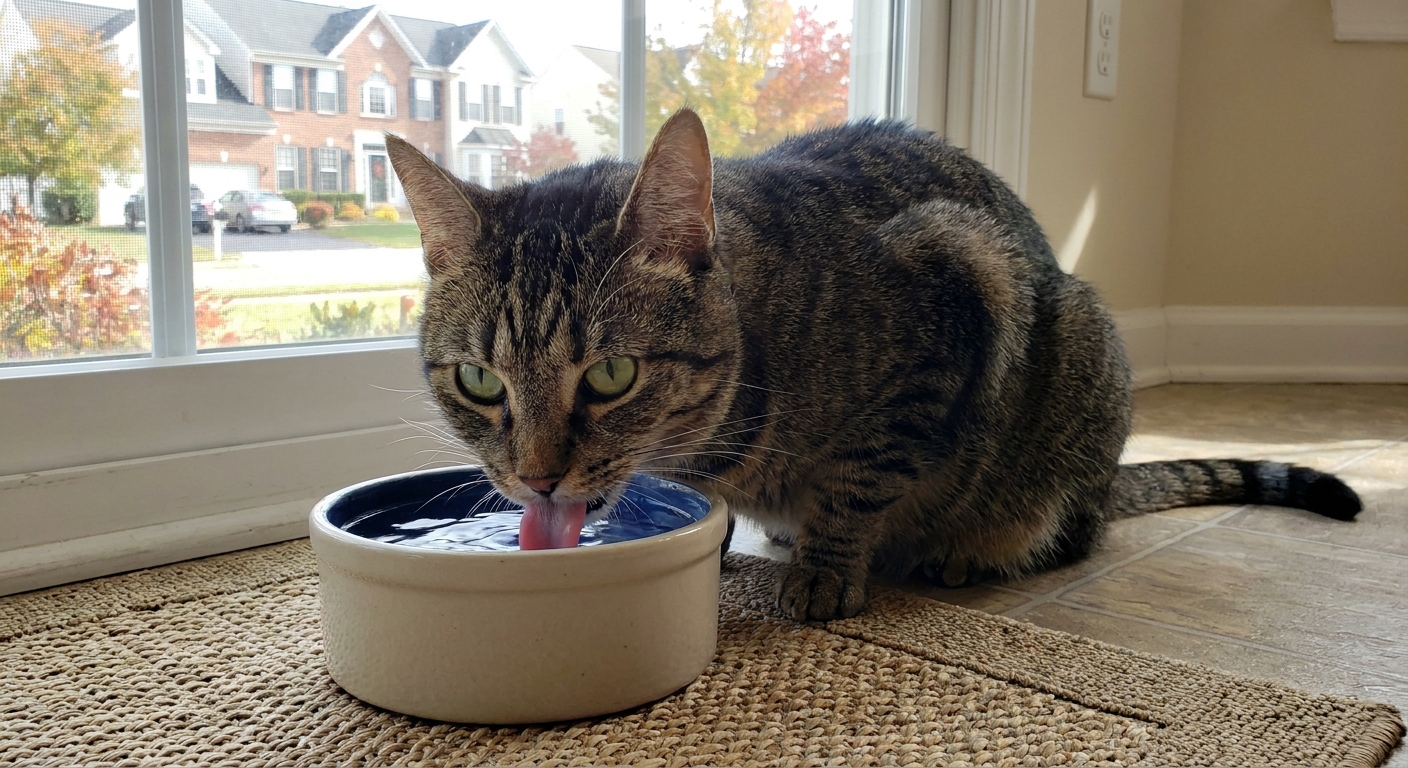
Fresh water should be non-negotiable. Some cats prefer moving water over stagnant bowls, so a fountain might get them drinking more willingly. If dry food dominates your cat's diet, consider mixing in wet food to boost moisture intake naturally. Small changes add up over time. Understanding how pet nutrition affects their health can help you make better dietary choices for your cat.
Common Mistakes That Cost You Clarity
Too many cat owners assume increased drinking is just a quirk. They wait until other symptoms pile up before acting. By then, conditions that could've been managed early are harder to treat. Don't ignore the pattern. Don't assume it'll pass. And don't mix up correlation with causation — just because your cat drank more after a stressful weekend doesn't mean stress is the root cause. Learning early signs of illness in your pet can prevent serious health complications.
Documentation Makes the Difference
When you head to the vet, bring records. Note when the behavior started, how much water your cat consumes daily, and what else has changed. Vague descriptions won't cut it. Specifics help vets diagnose faster and more accurately. If you've noticed litter box changes, appetite shifts, or energy dips, write those down too. If your cat seems anxious about the visit, try these ways to keep your cat calm for a smoother appointment.
Why Waiting Doesn't Work
You can't reverse kidney disease once it's advanced. You can't undo complications from untreated diabetes. Early intervention is the only real advantage you have. If your cat's water intake has spiked and stayed elevated, schedule the appointment. Don't wait for things to get worse just to confirm something's wrong. If you need immediate attention, consider same-day urgent care for prompt evaluation.
Health Habits That Stick
Catching a hydration shift early isn't just about solving one problem. It's about building the kind of awareness that keeps your cat healthy long-term. Regular wellness checkups and vaccinations help establish baseline health metrics that make changes easier to detect. We've seen too many cases where owners missed the signs until treatment options narrowed. The best outcomes come from vigilance, not luck. If your cat's telling you something through their water bowl, listen. And if you're not sure what you're hearing, get help before the message gets louder.
Let’s Keep Your Cat Healthy Together
We know how much your cat means to you, and staying alert to changes like increased thirst can make all the difference. If you’re noticing anything unusual, let’s work together to get answers and peace of mind. Call us at 571-208-1011 or contact us today to schedule a visit and ensure your cat gets the care they deserve.
‹ Back
Recent Posts
-
What it Means if Your Dog is Scratching More Than Normal
September 9, 2026
-
Signs Your Pet in Manassas Could Have an Ear Infection
August 26, 2026
-
Does Your Pet Need a Microchip Update in Manassas?
August 12, 2026
-
Can Indoor Cats Skip Annual Vet Visits in Manassas?
July 29, 2026
-
Is Your Dog in Manassas Suddenly Acting Aggressive?
July 15, 2026