






By using our website, you agree to the use of cookies as described in our Cookie Policy
Can Indoor Cats Skip Annual Vet Visits in Manassas?
Most cat owners figure their indoor felines are bulletproof. No fleas, no fights, no exposure to the chaos outside. But that logic falls apart fast when a hidden kidney issue or dental infection shows up three years too late. Indoor cats aren't immune to disease—they just hide it better. And if you're not bringing them in for annual checkups, you're gambling with problems you won't see until they're expensive or irreversible.
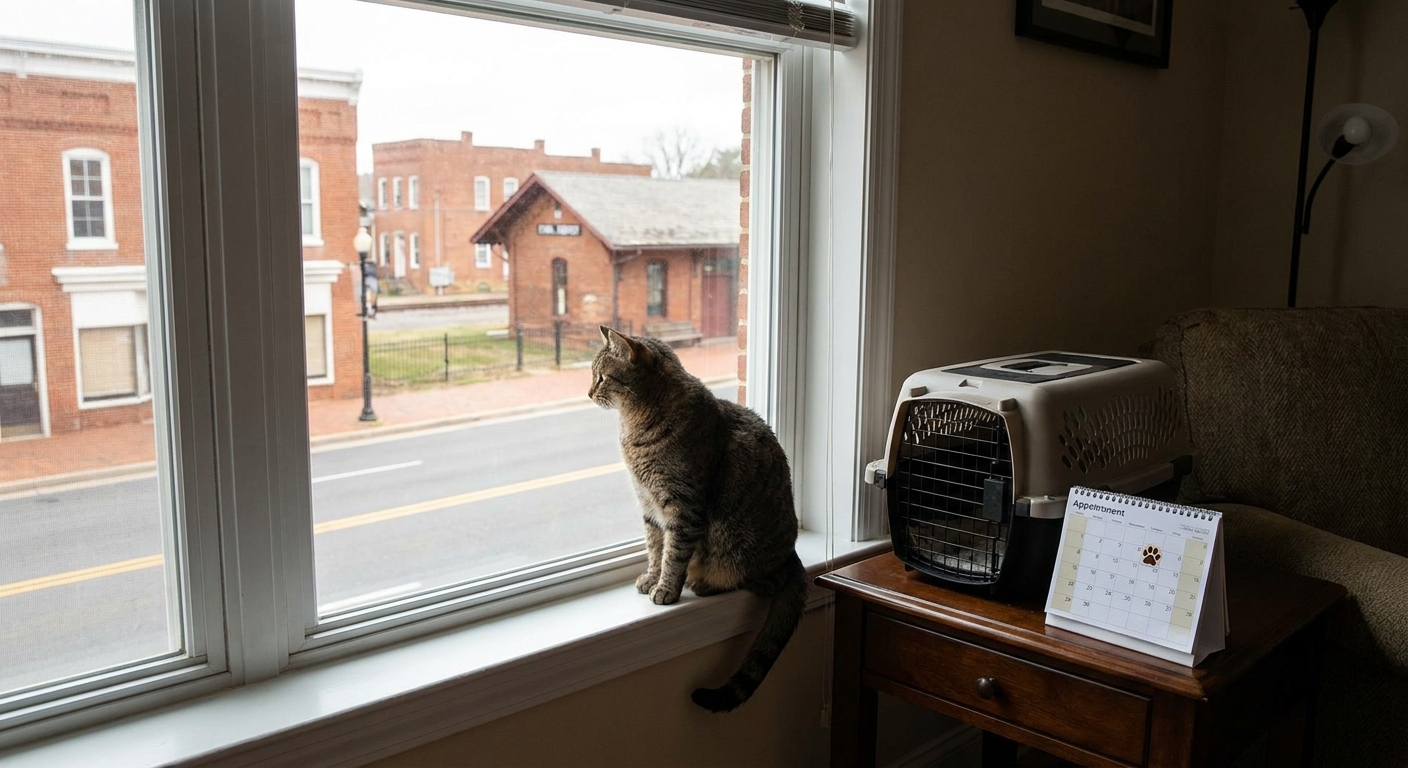
The truth is straightforward. Your cat may never leave the house, but that doesn't mean their body stopped aging or their organs stopped wearing down. Vet visits aren't just for emergencies. They're for catching what you can't see and preventing what you can't predict. Skip them, and you're not saving time—you're borrowing trouble.
What Indoor Living Actually Protects Against
Indoor cats dodge a lot of the obvious hazards. They're not picking up parasites from soil, getting into scraps with raccoons, or crossing paths with feral disease carriers. That's real protection, and it matters. But it's not a shield against everything. Health problems don't require outdoor access—they develop from genetics, diet, stress, and the simple march of time.
Cancer doesn't care if your cat stays inside. Neither does diabetes, hyperthyroidism, or chronic kidney disease. These conditions show up in indoor cats at rates that should worry any owner who thinks four walls equal immunity. Annual exams give your vet a baseline and a chance to spot changes before symptoms force your hand.
Vaccines Still Matter Behind Closed Doors
Rabies laws don't make exceptions for indoor cats. Neither do the risks. You can carry viruses into your home on your shoes, your hands, or your clothes. Feline panleukopenia and respiratory infections spread through contact—direct or indirect—and they're brutal when they hit an unvaccinated animal.
Even if your cat never sees another animal, vaccinations are a layer of defense you can't afford to drop. Annual visits keep boosters current and ensure your cat isn't vulnerable to something you tracked in by accident. That's not paranoia—it's basic prevention.
Dental Disease Hides Until It Hurts
Your cat isn't going to complain about sore gums. They'll just stop eating as much, chew on one side, or get quieter. By the time you notice, the damage is often severe—infected teeth, bone loss, bacteria spreading into the bloodstream. Dental disease is one of the most common conditions vets see in cats, and it's almost entirely preventable with routine care.
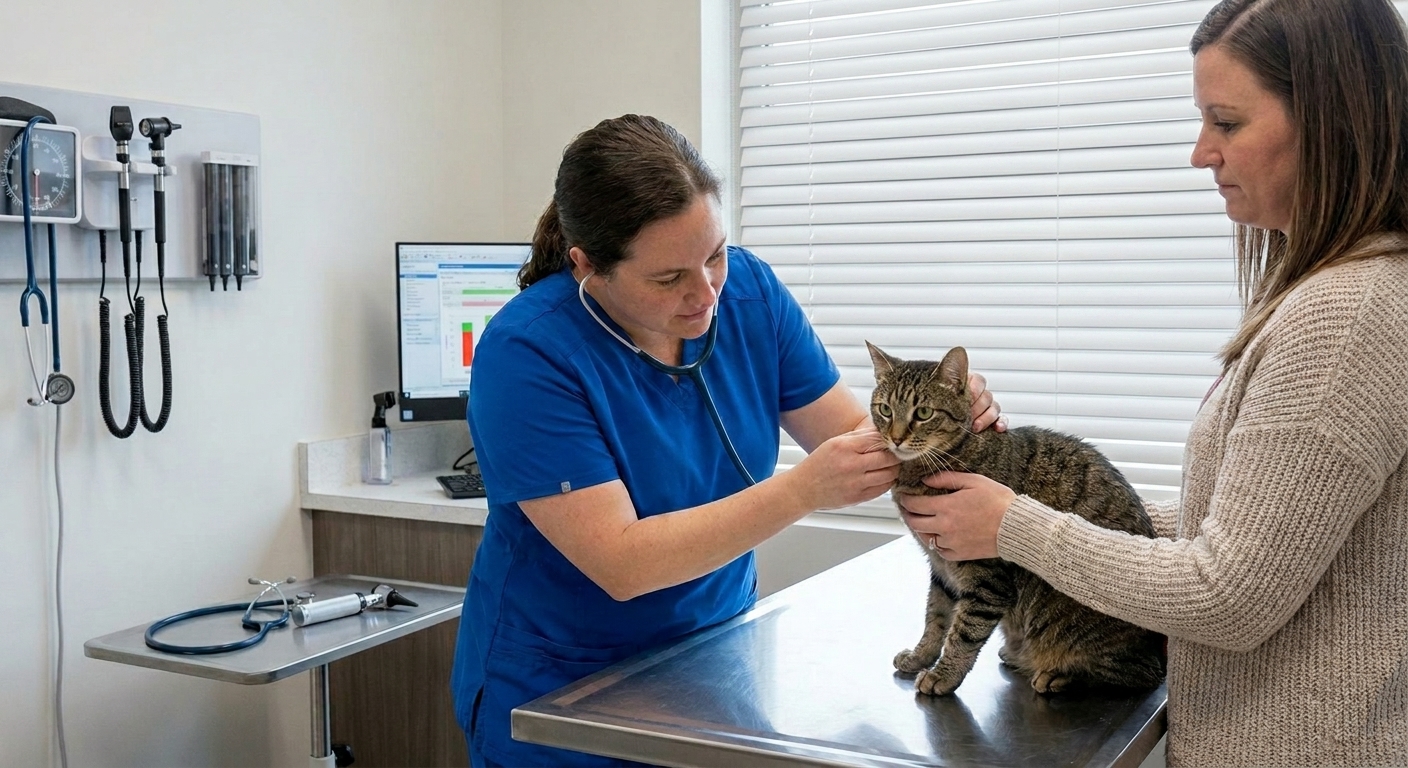
Annual exams include a look inside your cat's mouth. If there's buildup, your vet can recommend cat dental cleaning before it turns into extraction. Ignoring dental health doesn't just cost your cat comfort—it can shorten their life. Heart and kidney problems trace back to oral infections more often than most owners realize.
Bloodwork Catches What You Cannot See
A physical exam tells part of the story. Bloodwork tells the rest. Kidney function, liver enzymes, blood sugar, thyroid levels—these markers reveal problems long before symptoms appear. Cats are masters at masking illness, and by the time they show signs, the disease is usually advanced.
Annual wellness panels give your vet a snapshot of what's happening inside. They're especially critical as your cat ages. Early detection of kidney disease or diabetes can add years to their life and keep treatment manageable. Skip the bloodwork, and you're flying blind.
Weight and Behavior Changes Are Red Flags
Indoor cats are prone to weight gain. Less activity, free-feeding, boredom—it all adds up. Obesity in cats isn't just cosmetic. It's a gateway to diabetes, joint problems, and liver disease. Your vet tracks weight trends over time and can flag concerns before they spiral.
Behavior shifts also deserve attention. Increased thirst, frequent urination, hiding more, or sudden aggression can all signal underlying medical issues. These aren't things you should wait out or Google. Annual visits create a space to discuss these changes with someone who knows what they mean.
Parasite Prevention Does Not Stop at the Door
Fleas hitch rides. Mosquitoes slip through screens. Intestinal parasites can be transmitted through contaminated surfaces or even through you. Indoor cats aren't automatically parasite-free, and some parasites—like heartworm—can be fatal if left untreated.
Your vet will assess your cat's risk based on your household and location in Manassas. They'll recommend preventive treatments tailored to your situation. It's not overkill—it's coverage for threats that don't respect your front door.
Legal Requirements Are Not Negotiable
Rabies vaccination is required by law in Virginia, and Manassas enforces it. Whether your cat is indoor or outdoor, the rule applies. Skipping it puts you out of compliance and your cat at risk if there's ever an incident—even something as simple as a scratch on a visitor.
Beyond legal obligations, there's the ethical side. Preventive care is part of responsible ownership. Neglecting annual visits because your cat seems fine is a gamble that can end badly. Courts and shelters have seen cases where delayed care turned manageable conditions into cruelty charges. Don't let it get that far.
When to Adjust the Schedule
Some young, healthy cats may not need annual visits every twelve months—but that call belongs to your vet, not intuition. Senior cats, on the other hand, often benefit from twice-yearly exams. Age, breed, and health history all factor into the right schedule.
If your vet says you can space out visits, get it in writing and follow their guidance. But don't assume silence means approval. Most vets default to annual checkups because the risks of skipping them outweigh any inconvenience.
What You Risk by Waiting
Delayed care means delayed diagnosis. That turns treatable problems into chronic ones and cheap fixes into expensive crises. Kidney disease caught early can be managed with diet and medication. Caught late, it's palliative care and a shortened life. Dental infections treated early mean a cleaning. Treated late, they mean extractions and antibiotics.
The cost of prevention is always lower than the cost of treatment. And the emotional cost of watching your cat suffer through something you could have caught sooner? That's not something you can put a price on.
Common Excuses That Do Not Hold Up
- My cat hates the carrier and the car ride
- They seem perfectly healthy to me
- Annual visits are too expensive for a cat that stays inside
- I will take them in if something seems wrong
- They are young, so they do not need to go yet
These reasons sound practical until you are facing a diagnosis that could have been prevented. Stress from a car ride is temporary. Disease is not. Waiting for symptoms is waiting too long. And youth is not immunity—it is just a head start.
Finding the Right Vet in Manassas
- Look for practices that specialize in feline care or have cat-friendly certification
- Ask about Fear Free handling techniques to reduce stress
- Check availability for urgent appointments if something comes up between visits
- Confirm they offer wellness plans that bundle annual exams with vaccines and diagnostics
- Read reviews from other cat owners in the area to gauge quality and communication
A good vet makes the difference between dreading appointments and feeling confident in your cat's care. It is worth shopping around to find someone you trust.
What to Bring to Every Visit
- Previous medical records if switching vets
- A list of any behavioral changes or concerns you have noticed
- Current diet information, including treats and supplements
- Vaccination history if you have it
- Questions written down so you do not forget them in the moment
Preparation makes visits more productive. Your vet can only address what they know about, so do not hold back details that seem minor.
How to Make Vet Visits Less Stressful for Your Cat
- Leave the carrier out at home so it is not just associated with trips
- Use calming sprays or wipes designed for cats
- Schedule appointments during quieter times if your cat is anxious
- Bring a favorite blanket or toy that smells like home
- Ask your vet about anti-anxiety medications if your cat is extremely stressed
Reducing stress benefits both you and your cat. A calm visit means better cooperation and more accurate assessments. For more guidance, read about ways to keep your cat calm during appointments.
Documentation Protects You Both
Keep copies of every visit summary, vaccine record, and test result. If you ever need to board your cat, travel, or switch vets, you will need proof of care. Documentation also protects you legally if there is ever a question about your cat's health history.
Most clinics offer online portals now where you can access records anytime. Use them. Staying organized is not extra work—it is smart management.
Preventive Care Pays for Itself
Annual exams in Manassas typically run between $50 and $150, depending on what is included. Compare that to emergency surgery, extended hospital stays, or ongoing management of a condition that could have been caught early. The math is not even close.
Some clinics offer wellness plans that spread the cost across the year. Others provide discounts for multiple pets. If budget is a concern, ask what options exist. Skipping care because of cost is a short-term decision with long-term consequences.
Your Cat Depends on You to Decide
Cats do not book their own appointments. They do not advocate for their health. That responsibility falls entirely on you. Assuming everything is fine because your cat is not limping or vomiting is not good enough. Silent problems are still problems, and by the time they are loud, the damage is done.
Annual vet visits are not optional extras for responsible cat owners in Manassas. They are baseline care—the absolute minimum your indoor cat deserves. If you are skipping them, you are not saving time or money. You are rolling the dice on something you cannot afford to lose.
Let’s Keep Your Cat Thriving
We all want our indoor cats to enjoy long, healthy lives—and that starts with proactive care and regular checkups. If you’re ready to make sure your cat gets the attention they deserve, let’s talk about the best plan for their unique needs. Call us at 571-208-1011 or contact us today to schedule your next visit and give your cat the care they count on.
‹ Back
Recent Posts
-
Is Your Pet in Manassas Gaining Weight Too Quickly?
October 21, 2026
-
When Should You Bring Your New Kitten to the Vet in Manassas?
October 7, 2026
-
Can Stress Make Your Cat in Manassas Stop Eating?
September 23, 2026
-
What it Means if Your Dog is Scratching More Than Normal
September 9, 2026
-
Signs Your Pet in Manassas Could Have an Ear Infection
August 26, 2026