



By using our website, you agree to the use of cookies as described in our Cookie Policy
Why Does Your Dog Keep Scooting and When Should You See a Manassas Vet?
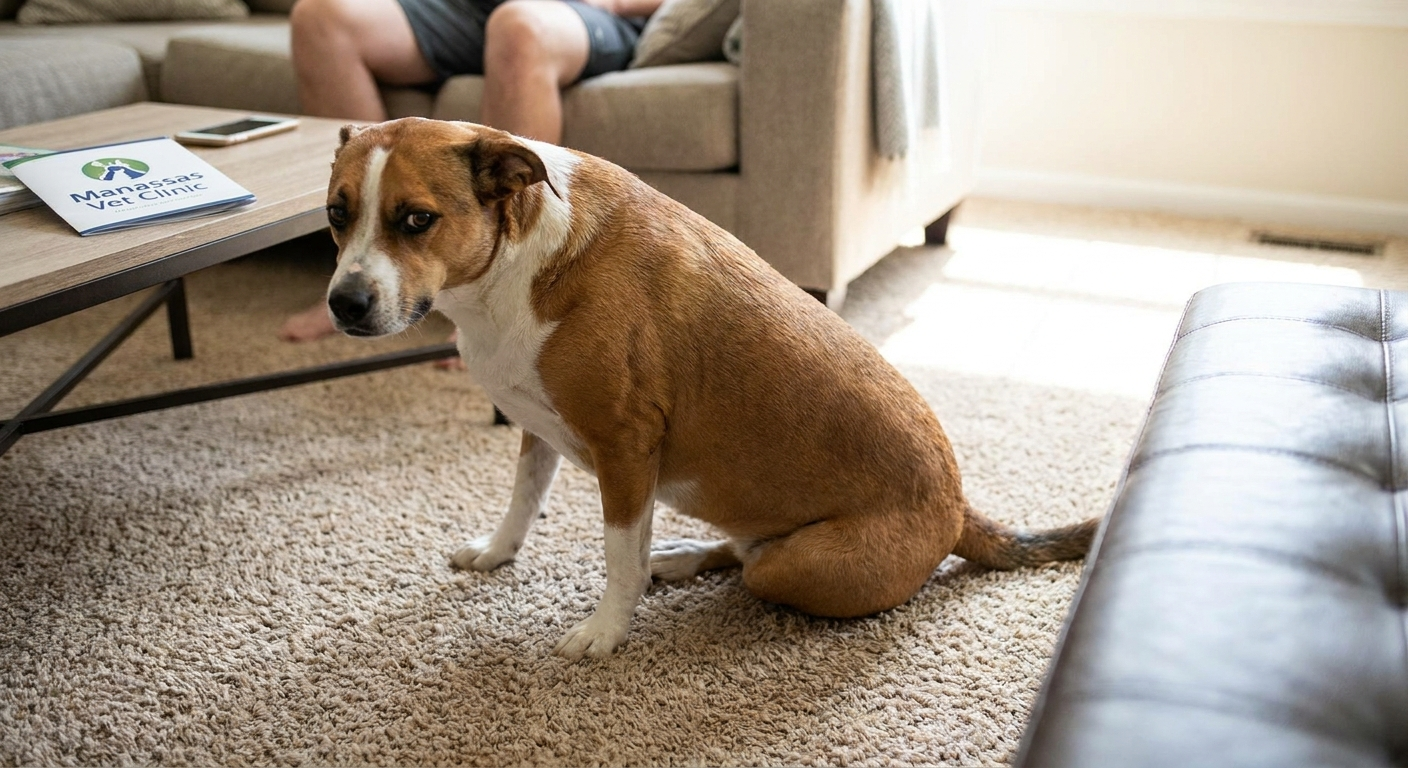
Most pet owners think scooting is funny until it isn't. Your dog drags their rear across the carpet, you laugh it off, maybe snap a video. But the truth is, that behavior isn't a quirk—it's a signal. Something's irritating them, and ignoring it won't make it stop. The longer you wait, the worse it gets. And what starts as a minor annoyance can turn into infection, impaction, or worse.
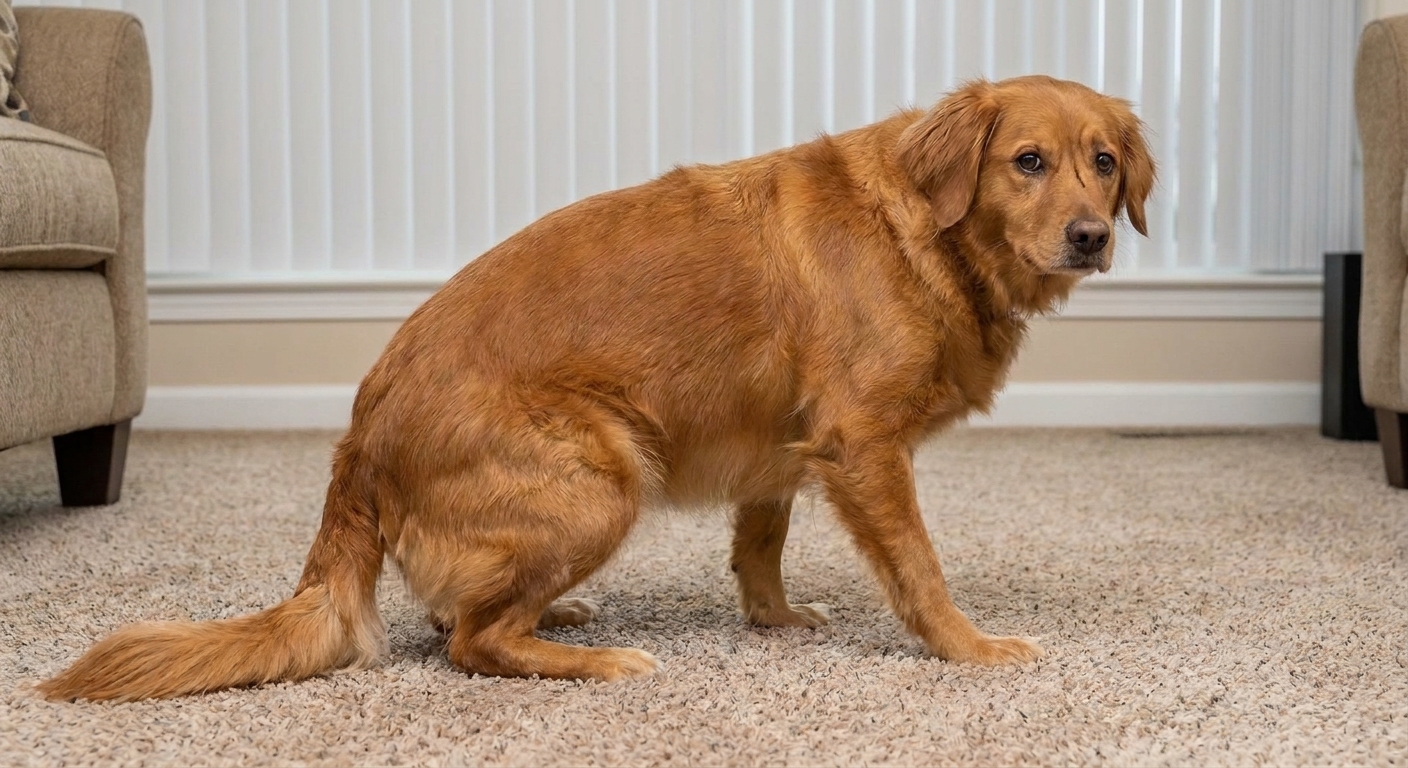
So here's what you need to know. Scooting isn't normal. It's not something dogs do for attention or entertainment. It's a response to discomfort, and the cause matters. Whether it's something simple like full anal glands or something that requires a vet's attention, you won't know until you stop guessing and start paying attention to the patterns.
The Usual Suspects Behind the Drag
There's a short list of reasons dogs scoot, and most of them are fixable. But you can't fix what you don't identify. Anal gland problems top the chart—these small sacs on either side of the anus can become full, impacted, or infected. When that happens, your dog feels pressure and tries to relieve it the only way they know how. It's not pleasant for them, and it won't resolve on its own.
Parasites are another major culprit. Tapeworms leave rice-like segments around the anus, and that irritation drives dogs to scoot. Allergies—whether environmental or food-related—can inflame the skin in sensitive areas, triggering the same dragging behavior. Infections, debris stuck near the rear, or even more serious issues like tumors can all lead to the same symptom. The behavior looks identical, but the solutions vary wildly.
Red Flags That Demand Action
We've seen too many owners brush off scooting until their dog is visibly suffering. If your dog scoots once and moves on, fine. But if it's happening daily, or if other symptoms show up, that's your cue to act. Swelling, redness, discharge, or bleeding around the anus are all warning signs. So is excessive licking, whining, or reluctance to sit down.
Changes in stool—diarrhea, constipation, visible worms—should send you straight to a Manassas vet. Same goes for lethargy, appetite loss, or any sign that your dog is in pain. These aren't things you wait out. They're things you document and address, because the longer you delay, the more complicated treatment becomes.
What Happens During the Vet Visit
When you bring your dog in for scooting, the vet isn't going to waste time. They'll check the anal glands first—express them if they're full, assess for infection or abscess. If parasites are suspected, a fecal test confirms it, and deworming handles the rest. Skin infections get swabbed, cultured, and treated with the right medication. Allergies might require diet changes or further testing.
In rare cases, imaging or biopsy might be necessary to rule out growths or structural issues. But most of the time, the fix is straightforward. The key is getting in front of a professional who can tell the difference between a clogged gland and something more serious. Guessing costs you time and your dog comfort.
Steps That Keep Scooting at Bay
Prevention isn't foolproof, but it cuts your odds significantly. Start with diet—high-quality food leads to firm stools, which naturally help express anal glands during bowel movements. Parasite prevention should be non-negotiable. Regular deworming and flea control keep the most common irritants off the table.
Routine vet visits matter more than most owners realize. If your dog is prone to anal gland issues, schedule regular expression appointments. For long-haired breeds, keep the rear trimmed and clean. Hygiene isn't optional when it comes to preventing buildup and infection.
- Feed a balanced diet with adequate fiber to support healthy digestion
- Stay current on flea, tick, and worm prevention protocols
- Book regular wellness exams that include anal gland checks
- Groom carefully around the rear to avoid matting or debris accumulation
- Watch for early signs of allergies and address them before they escalate
The Problems Owners Create by Waiting
We see this pattern constantly. Owners notice scooting, assume it'll go away, and then show up weeks later when the problem has spiraled. What could have been a quick gland expression turns into an abscess requiring drainage and antibiotics. What could have been a simple deworming becomes a secondary infection from constant irritation.
Timing matters. The earlier you act, the simpler and cheaper the fix. The longer you wait, the more invasive the treatment. And if you're one of those owners who tries home remedies or internet advice before calling a vet, you're gambling with your dog's health. There's no substitute for a professional exam.
What Your Vet Will Look For
A thorough exam goes beyond the obvious. Your Manassas vet will palpate the anal glands to check for fullness or hardness. They'll inspect the skin for lesions, inflammation, or foreign material. They'll ask about diet, stool consistency, recent changes in behavior, and any other symptoms you've noticed.
If parasites are on the table, expect a fecal sample analysis. If infection is suspected, they may take a swab for culture. The goal isn't just to stop the scooting—it's to identify and eliminate the root cause so it doesn't come back. That requires detail, not guesswork.
- Physical exam of the anal area and glands
- Fecal testing for parasites or abnormalities
- Skin culture if infection is present
- Dietary review to rule out food sensitivities
- Blood work or imaging if more serious conditions are suspected
When Allergies Are the Hidden Trigger
Allergies don't always show up as sneezing or paw licking. Sometimes the only sign is scooting. Food sensitivities, pollen, dust, or even grooming products can inflame the skin around your dog's rear. That inflammation leads to itching, and itching leads to scooting.
If your vet suspects allergies, they'll likely recommend an elimination diet or allergy testing. Treatment might include dietary adjustments, antihistamines, or topical ointments. The frustrating part is that allergies can take time to pinpoint, but once you do, the scooting usually stops.
The Role of Anal Gland Expression
Some dogs never have anal gland issues. Others need regular help. If your dog falls into the latter category, your vet can express the glands during routine visits. It's quick, effective, and prevents the buildup that leads to scooting, infection, or rupture.
We don't recommend doing this at home unless you've been trained. Improper technique can cause trauma or push infection deeper. Leave it to the professionals, and schedule it as part of your dog's regular care plan if they're predisposed.
- Expression should be done by a vet or trained groomer
- Frequency depends on your dog's anatomy and stool consistency
- Signs your dog needs expression include scooting, licking, or a fishy odor
- Chronic issues may require dietary changes or surgical intervention
- Never attempt home expression without proper instruction
Parasites Are Easier to Treat Than You Think
If tapeworms or other parasites are causing the scooting, treatment is straightforward. Your vet will prescribe a dewormer, and within days, the irritation subsides. The key is confirming the diagnosis with a fecal test rather than assuming.
Prevention is even simpler. Monthly flea control prevents tapeworms, and routine deworming handles the rest. This isn't an area where you want to cut corners or skip doses. Consistency keeps your dog parasite-free and eliminates one of the most common scooting triggers.
Serious Conditions Require Serious Attention
Most scooting isn't life-threatening, but some cases point to bigger problems. Rectal prolapse, tumors, or polyps can all cause similar symptoms. If your vet identifies something more serious, they'll walk you through the next steps—whether that's surgery, biopsy, or referral to a specialist.
These situations are rare, but they're real. And they're another reason why waiting isn't an option. The sooner you get a diagnosis, the more options you have. Delaying only narrows the path forward.
- Rectal prolapse requires immediate veterinary intervention
- Tumors may need biopsy to determine benign or malignant status
- Polyps can be removed surgically if causing obstruction or discomfort
- Advanced imaging helps rule out internal issues
- Early detection improves outcomes across the board
Your Dog's Comfort Is the Bottom Line
Scooting isn't a behavior to tolerate or laugh off. It's your dog telling you something's wrong, and they're counting on you to figure it out. Whether it's a simple gland expression or a more complex issue, the fix starts with a diagnosis that's accurate and treated effectively. Don't wait until the problem escalates. Act when the symptoms first appear, keep up with preventive care, and give your dog the relief they're asking for. That's what responsible ownership looks like—and it's what keeps your dog healthy, comfortable, and free from unnecessary suffering.
Let’s Keep Your Dog Happy and Healthy
We all want our dogs to feel their best and enjoy every day without discomfort. If you’ve noticed your dog scooting or showing signs of irritation, let’s address it together before it becomes a bigger issue. Give us a call at 571-208-1011 to speak with our team, or contact us today so we can help your dog get back to feeling great.
‹ Back
Recent Posts
-
Why Does Your Dog Keep Scooting and When Should You See a Manassas Vet?
November 23, 2026
-
Can Fleas and Ticks Make Your Pet Sick?
November 4, 2026
-
Is Your Pet in Manassas Gaining Weight Too Quickly?
October 21, 2026
-
When Should You Bring Your New Kitten to the Vet in Manassas?
October 7, 2026
-
Can Stress Make Your Cat in Manassas Stop Eating?
September 23, 2026